How to Create a Welcoming Gardening Club Space
Creating a welcoming gardening club space is essential for fostering community engagement and encouraging participation in various activities like seasonal workshops and plant exchange events. This article will provide actionable insights into how to design and maintain an inviting environment that appeals to both new and seasoned gardening enthusiasts.
Understanding the Importance of Space
Research indicates that a well-designed space can significantly enhance user experience and satisfaction. According to industry experts, gardens and club spaces should be functional and inviting, as this combination often encourages members to spend more time engaging with each other and the plants.

"The atmosphere of a space can influence social interactions, which is vital for a successful gardening club," says landscape architect Mia Thompson.
Key Elements of a Welcoming Space
When designing your gardening club space, consider incorporating the following elements:
- Comfortable Seating: Comfortable seating arrangements can make members feel at ease. Providing benches or chairs creates an inviting atmosphere where members can gather and share ideas.
- Accessible Design: Ensure that pathways are wide and accessible, accommodating a diverse range of abilities. This makes the space more inclusive and welcoming for everyone.
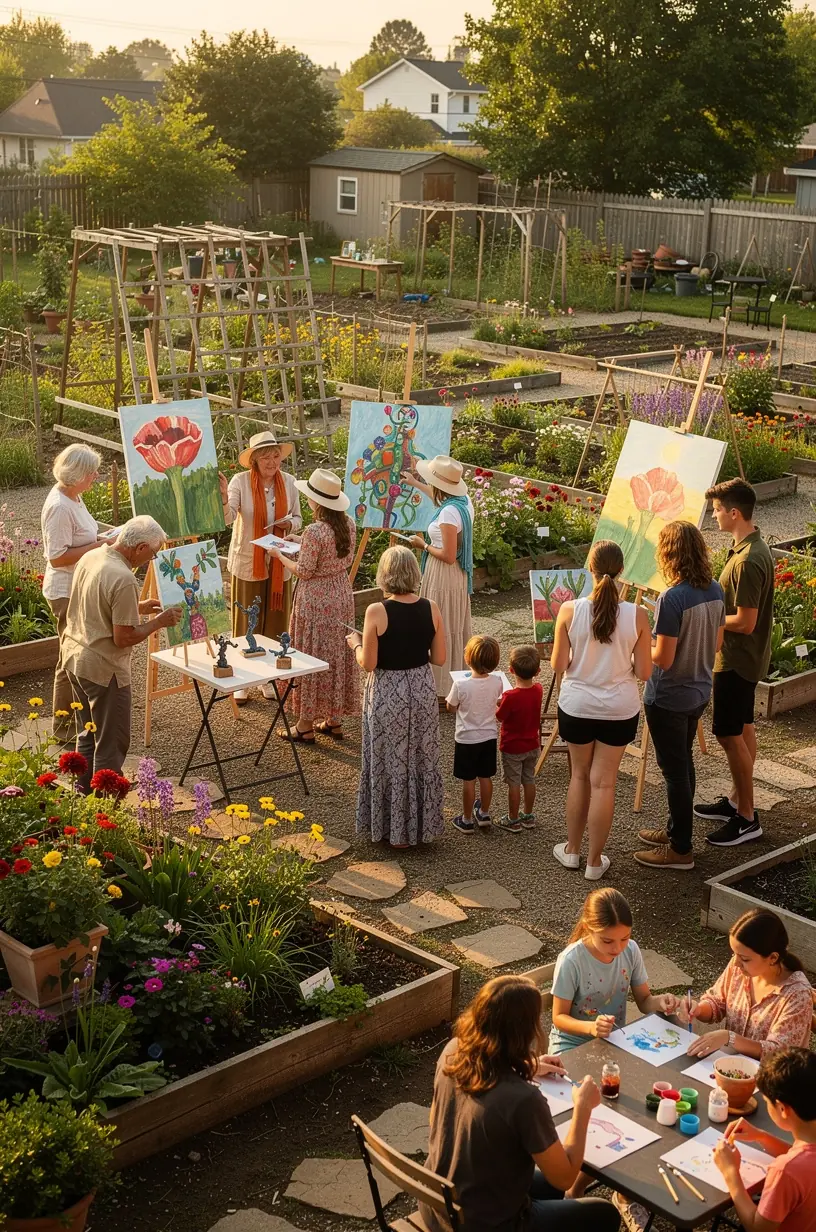
- Visual Appeal: Incorporate vibrant plants and flowers to create a visually striking environment. Studies show that exposure to greenery can improve mood and foster a sense of well-being.
Creating a Sense of Community
In addition to physical design, fostering a welcoming atmosphere also involves cultivating community spirit. Here are some methods to enhance community engagement:
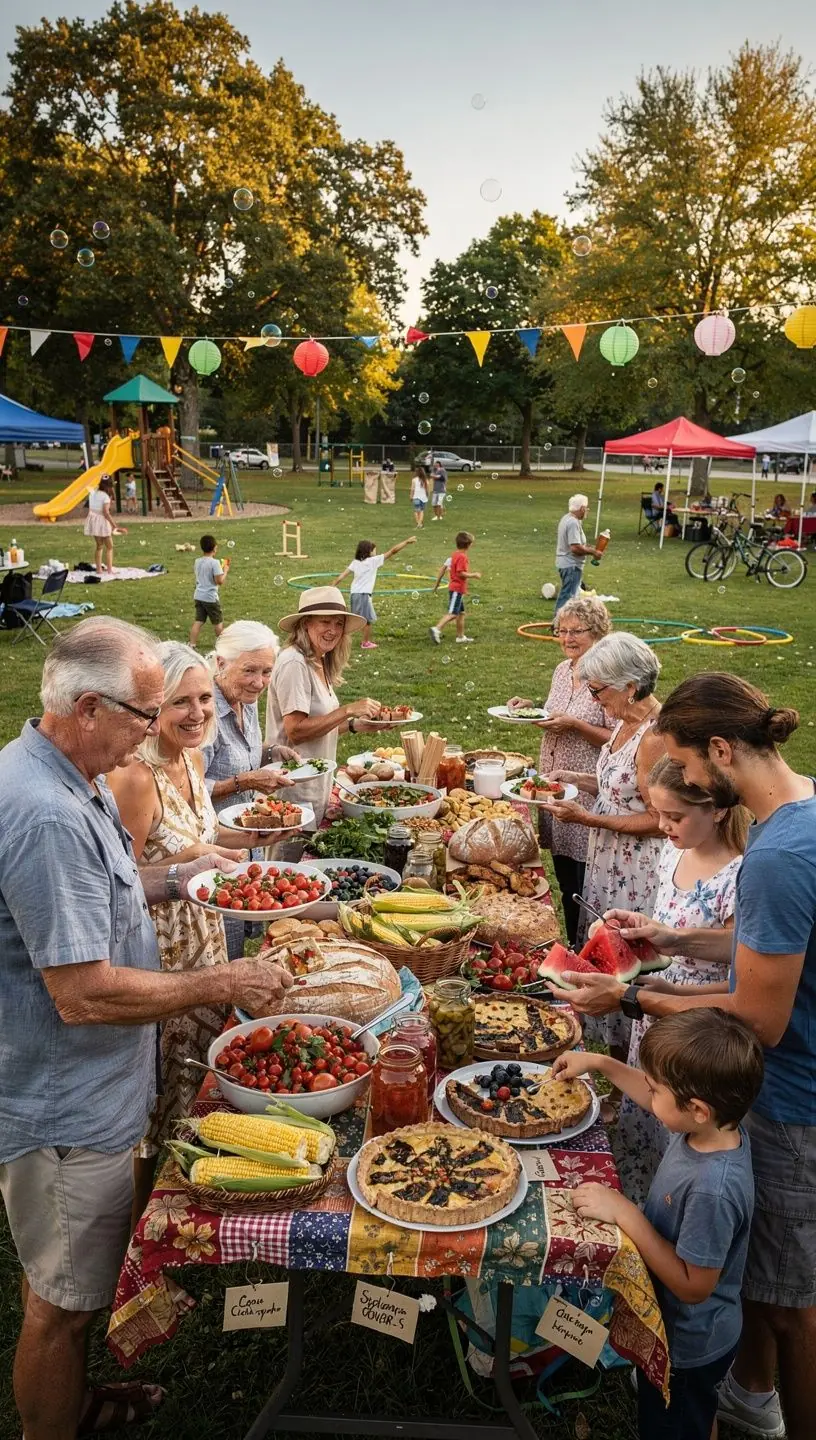
- Host Regular Events: Organizing seasonal workshops and plant exchange events encourages members to interact. Many gardening clubs report increased participation when events are scheduled regularly.
- Encourage Participation: Invite members to volunteer for club activities, whether it's setting up for events or maintaining the garden. This involvement can create a sense of ownership among members.
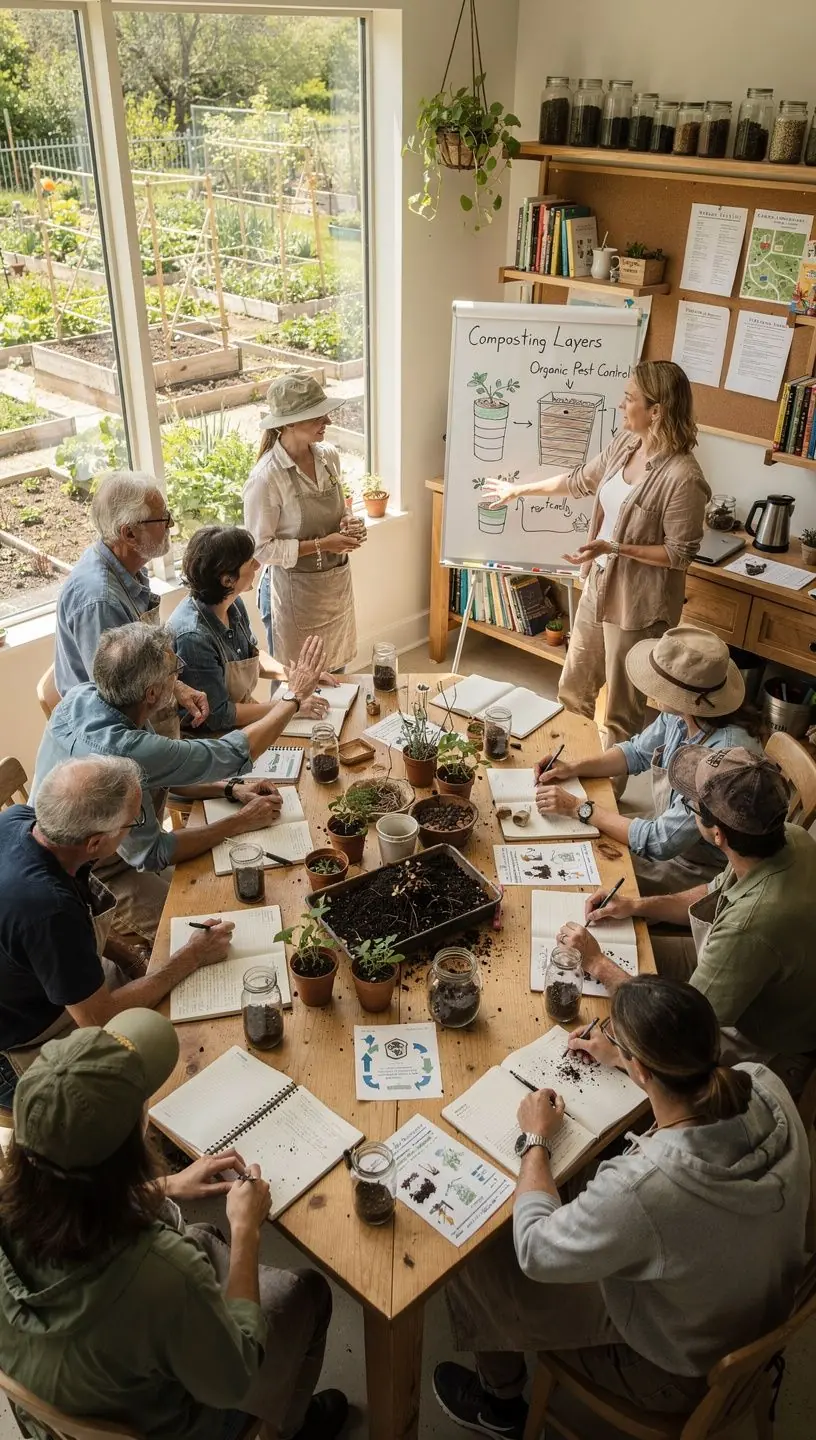
- Provide Educational Resources: Offering workshops or informational sessions can attract new members. Experts in gardening often recommend sharing knowledge to build a community of learning and support.
Challenges to Consider
While creating a welcoming gardening club space is rewarding, there are some challenges to keep in mind:
- Time Commitment: Developing a community space typically takes several months to establish. Consistent effort and patience are required to see significant results.
- Resource Management: Managing resources, such as plants and gardening tools, requires organization and planning. It’s important to have a system in place to track supplies and usage.
- Engagement Levels: Not every member may feel comfortable participating at the same level. Recognizing and accommodating different comfort levels is crucial for inclusivity.
Conclusion
Creating a welcoming gardening club space involves thoughtful design and community engagement. By focusing on comfort, accessibility, and participation, clubs can foster an inviting atmosphere that encourages growth and social interaction. Remember, the goal is to create a space that feels open and inclusive, allowing all members to thrive in their gardening journey.