The Importance of Sustainability in Gardening Practices
Sustainability in gardening is not just a trend; it is a vital approach that can yield significant benefits for our environment, economy, and personal health. With the rising awareness of climate change, many gardeners are looking for ways to incorporate sustainable practices into their gardening routines. This article explores why sustainability is essential in gardening and how you can adopt these practices effectively.
Understanding the Basics of Sustainable Gardening
Sustainable gardening refers to a way of growing plants and food that maintains ecological balance and conserves resources. According to research by the American Society of Landscape Architects, sustainable gardening practices can lead to healthier ecosystems, reduced soil erosion, and improved water retention.
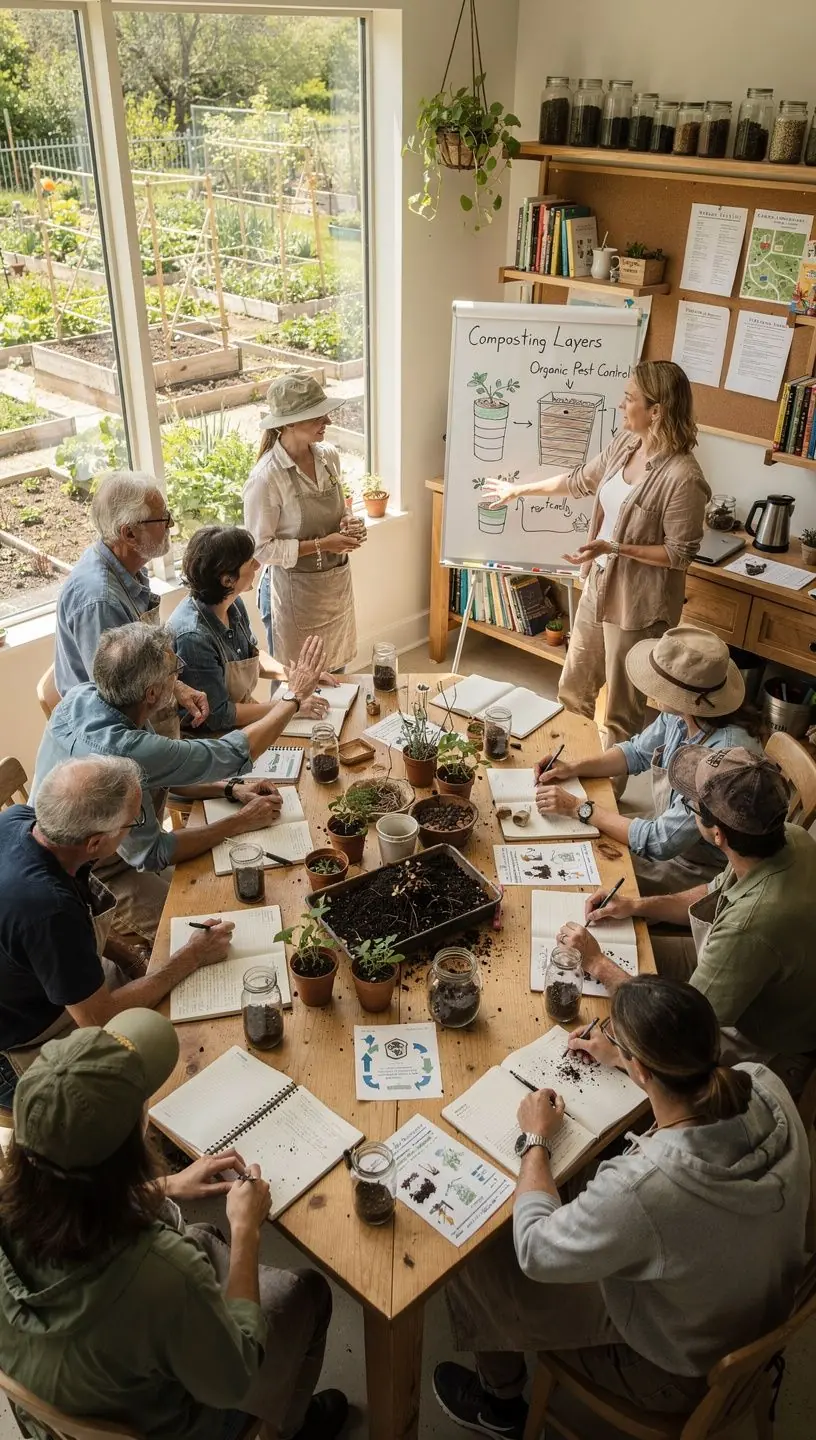
Many users report that implementing sustainable practices often enhances soil fertility, reduces pest issues, and promotes biodiversity. Experts recommend starting with a few core principles, including:
- Soil health: Focusing on building healthy soil through composting and organic matter.
- Water conservation: Utilizing techniques such as rainwater harvesting and drip irrigation.
- Diverse planting: Encouraging a variety of plants to foster a resilient ecosystem.
"Sustainable gardening is not just about growing plants; it’s about cultivating an environment that supports life."
Practical Applications of Sustainable Practices
To apply sustainable gardening principles effectively, consider the following strategies:
- Start Composting: This practice can reduce waste and improve soil quality. Typically, composting takes 2-4 weeks to produce usable compost, depending on conditions like moisture and temperature.
- Choose Native Plants: Native plants are often more resilient and require less maintenance. They typically thrive in local conditions and support local wildlife.
- Implement Crop Rotation: Changing the location of crops each season can prevent soil depletion and reduce pest problems. This method requires planning and dedication but can lead to healthier plants and higher yields over time.
Challenges and Limitations
While sustainable gardening offers many benefits, it does come with challenges. Transitioning to more sustainable practices may require a learning curve and an adjustment of expectations. For instance, organic pest control methods may not yield immediate results as chemical pesticides do, but they are often better for the environment in the long run. It is important to set realistic goals and understand that:
- Sustainable gardening practices may initially require more time and effort.
- Results typically become noticeable within several months, as ecosystems adjust and stabilize.
- Some methods may not suit every garden type or location, so it’s important to consider your specific conditions.
Conclusion
Ultimately, adopting sustainable gardening practices can contribute to a healthier planet. Not only do these methods help conserve resources, but they also cultivate an environment that supports biodiversity and enhances our overall gardening experience. By committing to sustainability, gardeners can play a crucial role in mitigating environmental challenges while enjoying the fruits of their labor.
As you embark on your gardening journey, remember that sustainability is a continuous process that requires dedication and patience. With time, the benefits will become evident, making your gardening efforts more rewarding and effective.
Discover More