How to Start a Plant Swap Event in Your Area
Plant swap events are a fantastic way to foster community spirit, encourage sustainable gardening practices, and expand your plant collection without spending a fortune. This guide will walk you through the process of starting a successful plant swap event in your area, emphasizing practical steps and realistic expectations.
Understanding the Basics
Starting a plant swap involves more than just gathering plants; it requires organization, communication, and a shared passion for gardening. According to community gardening studies, engaging in such events can enhance local biodiversity and community cohesion. Experts recommend reaching out to local gardening clubs or community centers to gauge interest and build support.
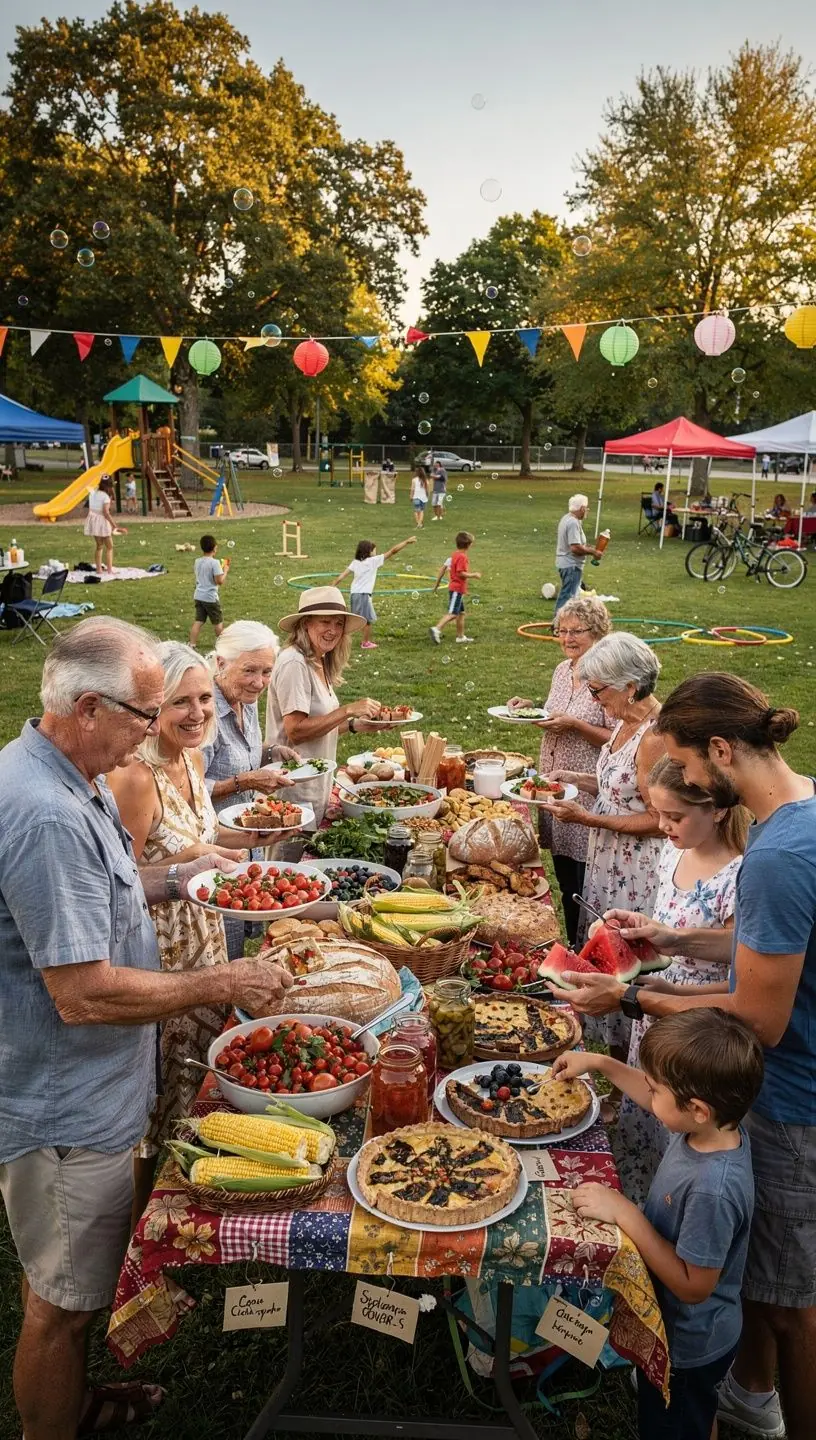
"Community gardening initiatives have shown to improve social ties and foster environmental stewardship among participants." - Community Gardening Research Fund
Planning Your Plant Swap
To ensure a successful plant swap, consider the following steps:
- Choose a Date and Location: Look for a space that can accommodate the anticipated number of participants. Public parks or community gardens are often effective venues. You should allow at least a month to prepare and promote the event.
- Set Clear Guidelines: Establish rules for the swap, including the types of plants acceptable for exchange, their condition, and any restrictions on invasive species. This helps maintain a healthy environment for all participants.
- Promote the Event: Use social media, local bulletin boards, and community newsletters to attract participants. Many users report that engaging visuals and clear messaging about the benefits of plant swapping can significantly increase community engagement.
Executing the Event
On the day of the event, ensure everything runs smoothly by following these practices:
- Check-In Process: Have a system in place for participants to register their plants and receive tokens or tickets that indicate how many plants they can take home. This helps manage the flow of the event and ensures fairness.
- Provide Additional Resources: Offer literature on plant care or sustainability practices. Research indicates that educational materials can enhance participants' experience and encourage future engagement.
- Create a Welcoming Atmosphere: Consider providing refreshments or music to create a friendly environment. In most cases, participants are more likely to engage in conversations and share tips when they feel comfortable.
Post-Event Follow-Up
After the event, thank participants through social media or email. This helps build a community for future events:
- Gather Feedback: Use surveys to collect participant feedback, which can help improve future swaps. Many organizers report that understanding participant experiences significantly enhances future events.
- Plan for Future Events: If the swap was successful, consider making it a regular occurrence. Establishing a routine can foster deeper connections within the community and enhance local gardening practices.
Conclusion
Starting a plant swap event can be an effective way to build community connections and promote sustainable gardening practices. By following these steps and setting realistic expectations, you can create a rewarding experience for all participants. Remember, the journey of gardening is enriched by community support and shared knowledge, making plant swaps a valuable addition to any gardening club's activities.
Discover More