Practical Steps for Planning Seasonal Gardening Workshops
Organizing seasonal gardening workshops can be a rewarding way to cultivate community interest and knowledge in gardening. However, effective planning is essential to ensure these workshops meet participants' needs and expectations.
Understanding the Basics of Workshop Planning
Before diving into the logistics, it’s important to understand the underlying principles of effective workshop planning. According to industry experts, successful workshops typically share common characteristics: they are well-structured, cater to the audience's interests, and foster hands-on learning experiences.
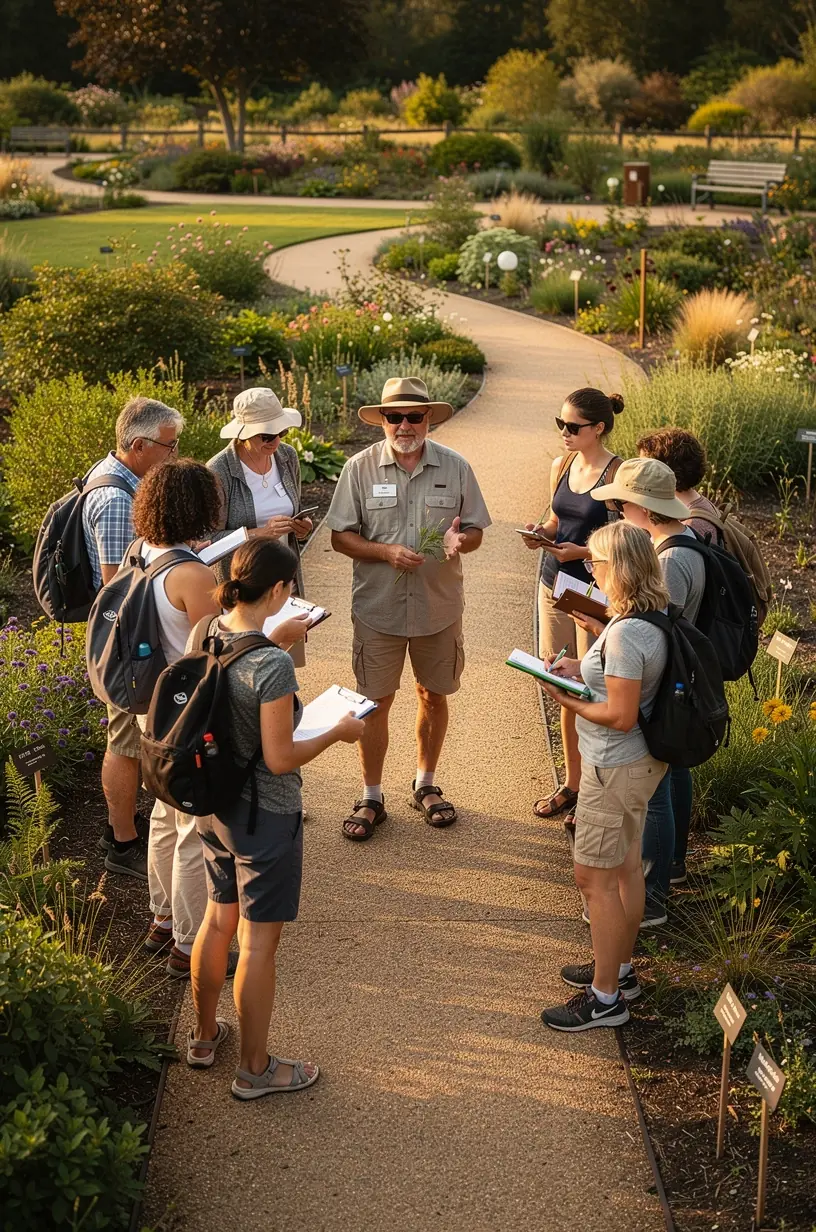
"A good workshop engages participants through interactive activities, allowing them to apply what they learn directly."
Step 1: Define Your Objectives
Every successful workshop begins with clear objectives. Consider what you want participants to achieve. Do you wish to teach them about seasonal planting techniques, pest management, or sustainable gardening practices? Setting specific goals will help guide your content and structure.
Step 2: Identify Your Audience
Understanding your target audience is vital. Research shows that participants are more likely to engage in workshops that address their specific interests and skill levels. For instance, if your club serves both beginners and seasoned gardeners, consider offering workshops that cater to different skill levels or breaking them into smaller, focused sessions.
Step 3: Choose a Suitable Venue
Physical spaces play a crucial role in workshop success. A well-equipped venue that provides necessary tools and a conducive environment for learning is essential. Many gardening clubs opt for community gardens or local parks, which can enhance the outdoor learning experience. Ensure the space is accessible and has facilities to accommodate your expected attendance.
Step 4: Plan the Content
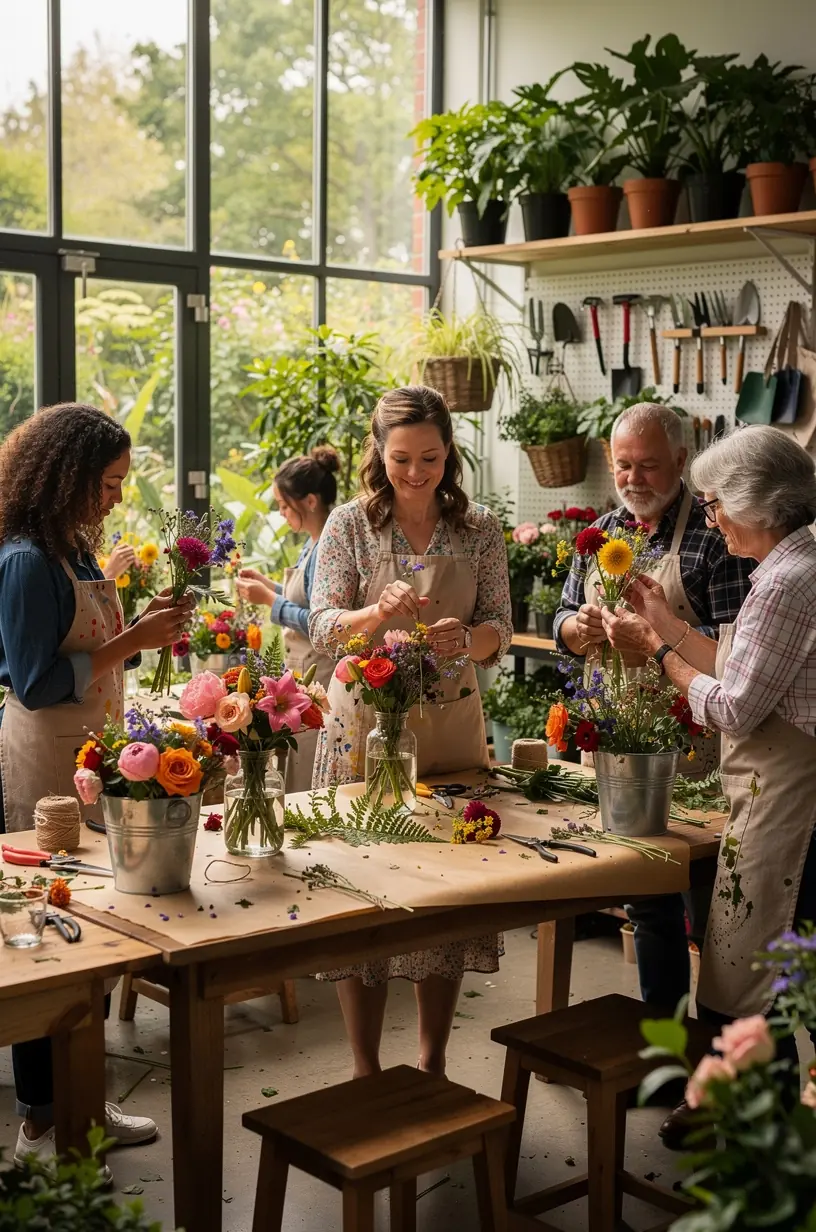
Your workshop content should be engaging and informative. Aim for a balanced mix of theory and practical application. For example, if you are teaching about soil health, you might include a brief presentation followed by hands-on soil testing activities. This method not only helps reinforce learning but also keeps participants actively involved.
- Interactive Activities: Incorporate hands-on tasks where participants can directly apply what they've learned.
- Expert Insights: Invite local gardening experts to share their experiences and answer questions.
- Resource Materials: Provide handouts or links to online resources for further learning.
Step 5: Promote Your Workshop
Effective promotion is key to attracting participants. Utilize social media platforms, community boards, and local gardening networks to spread the word. Tailor your messaging to highlight the benefits participants will gain, using phrases like "learn practical gardening skills" and "network with fellow gardening enthusiasts."
Step 6: Gather Feedback
After the workshop, solicit feedback from participants to assess what worked well and what could be improved. This step is crucial as it allows you to refine future workshops. Many organizers find that participants appreciate the opportunity to voice their opinions, and this can lead to increased engagement in future events.
Conclusion
Planning seasonal gardening workshops requires careful thought and consideration. By defining objectives, understanding your audience, selecting the right venue, planning engaging content, promoting effectively, and gathering feedback, you can create workshops that are both enjoyable and educational. Remember that while the planning process involves effort and time, the rewards of sharing knowledge and fostering community connections in gardening can be significant.
Discover More