How to Build a Collaborative Gardening Community
Creating a vibrant gardening community can enhance not only your gardening skills but also foster lasting friendships and shared experiences. This article outlines practical steps to build a collaborative gardening club that thrives on shared knowledge and mutual support.
Understanding the Importance of Community in Gardening
Gardening is often seen as an individual activity, but forming a community can significantly enrich the experience. According to studies in community engagement, groups that participate together often report higher levels of satisfaction and success in their gardening endeavors. This is because collaboration encourages knowledge sharing and can lead to improved gardening techniques over time.
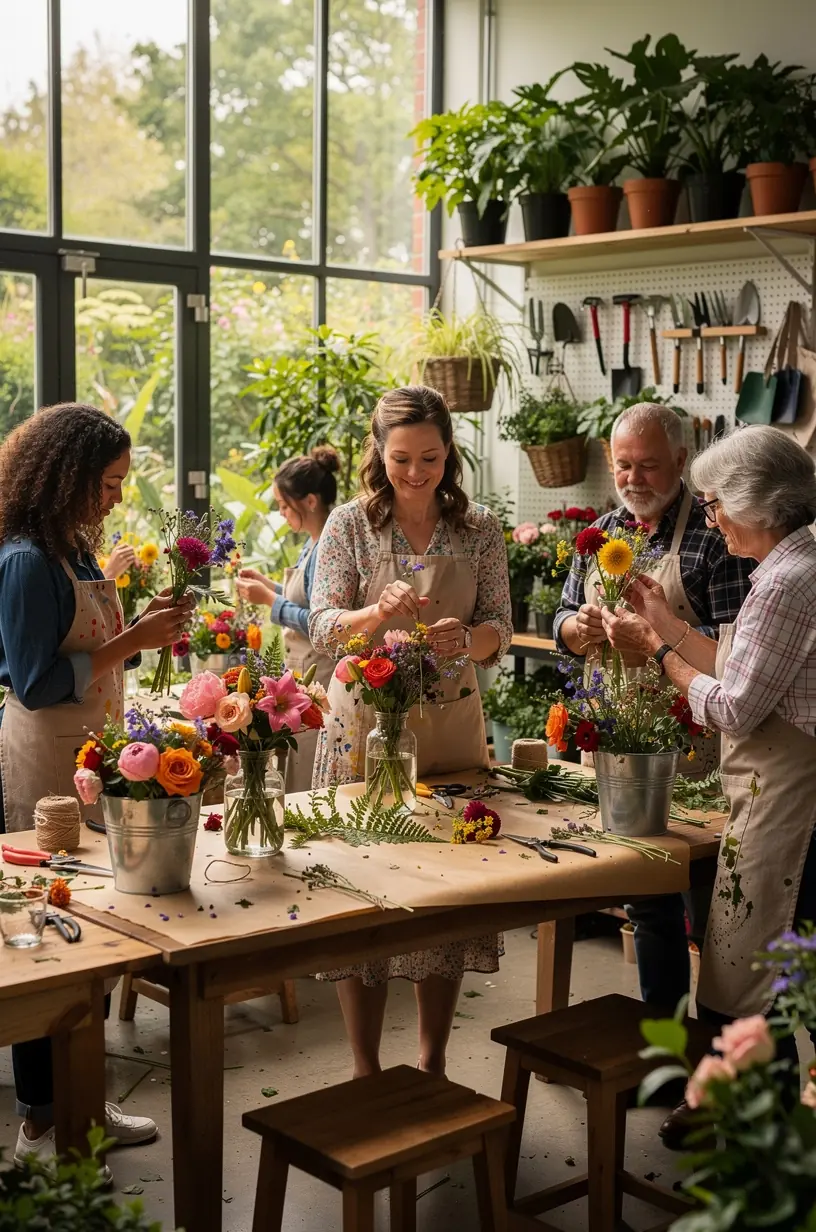
"Community gardening has been shown to improve both the quality of produce and the social ties between participants." - Research Journal of Horticulture
Key Steps to Build Your Gardening Community
Building a collaborative gardening community typically involves several key actions:
- Identify Common Goals: Start by discussing what members hope to achieve. This could range from growing organic vegetables to enhancing aesthetic gardens.
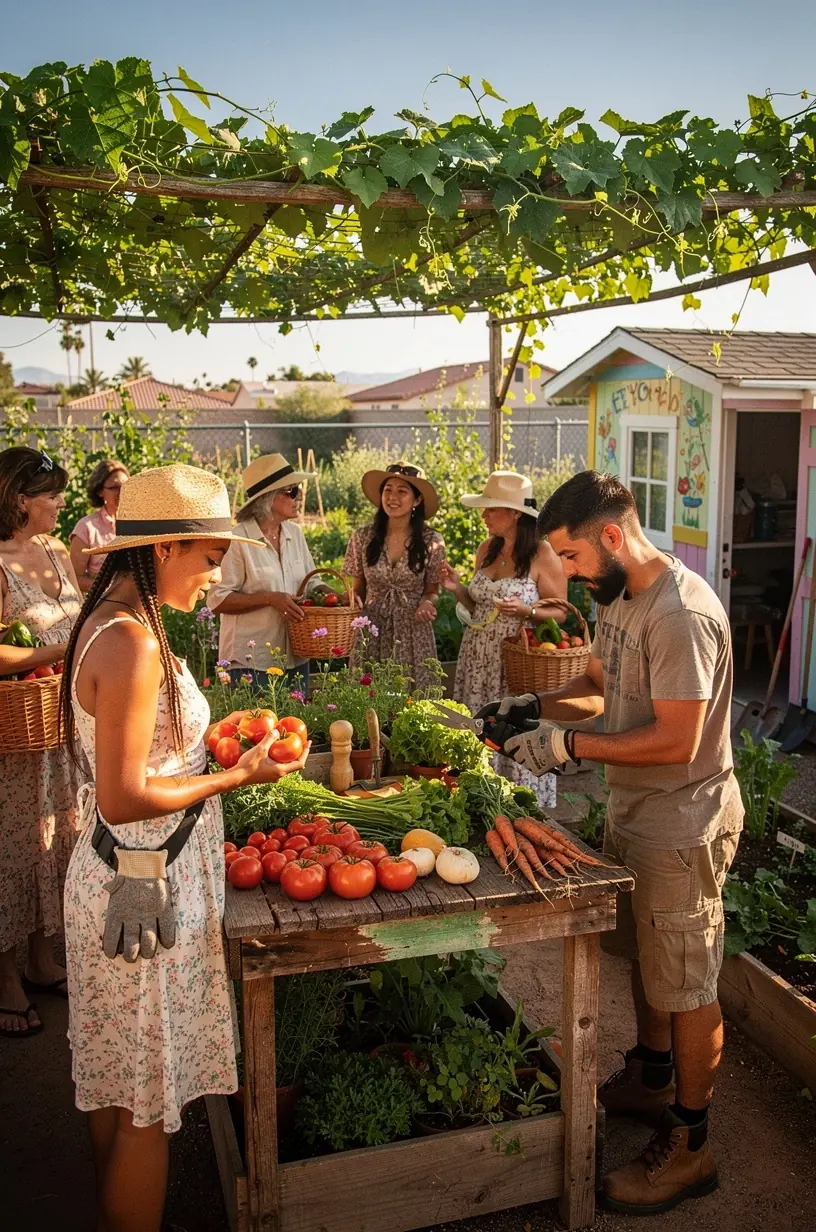
- Establish a Physical Space: Secure a communal area where members can gather, exchange plants, and share resources. This space can be a local park, community garden, or even a large backyard.
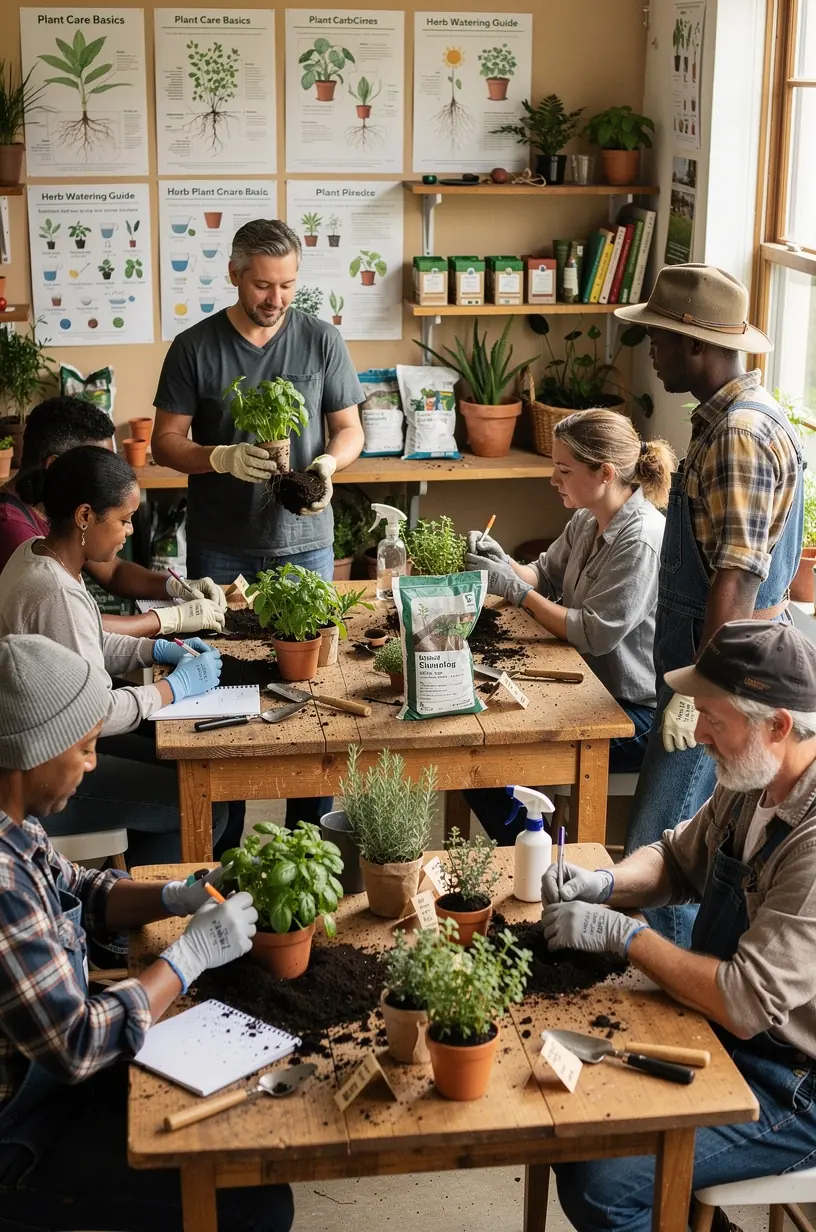
- Organize Seasonal Workshops: According to horticultural experts, hands-on workshops can significantly enhance knowledge retention. Plan seasonal events to teach members about planting, pruning, and pest control.
- Host Plant Exchange Events: Many gardening clubs find success by organizing plant swaps. This allows members to diversify their gardens through shared resources, promoting biodiversity.
Promoting Engagement and Participation
Fostering a sense of belonging is crucial for the longevity of your gardening community. Here are some strategies:
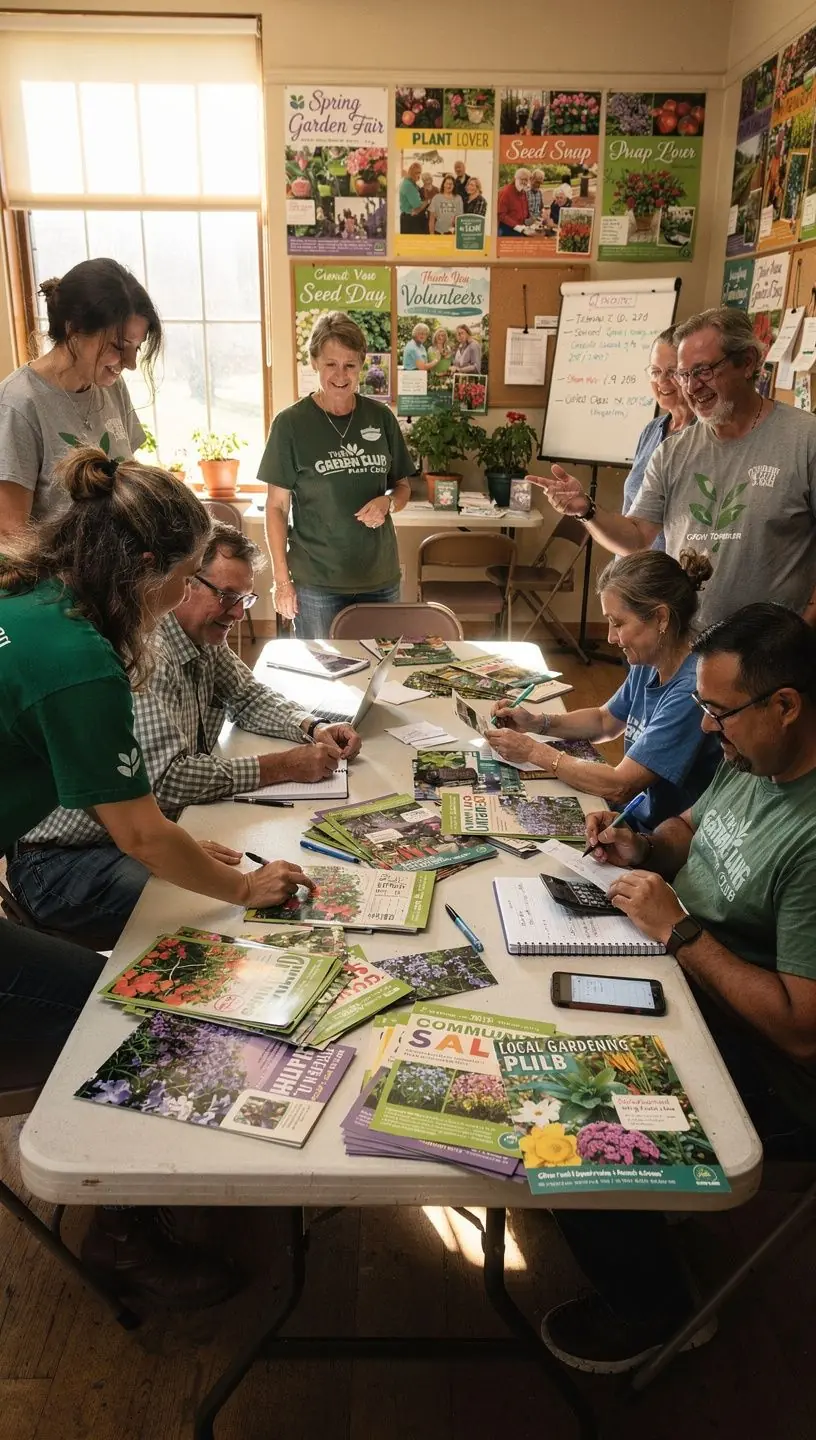
- Regular Communication: Use newsletters or social media to keep members informed about upcoming events and share gardening tips.
- Encourage Member Contributions: Allow members to lead workshops or share their gardening stories. This can enhance engagement and promote a sense of ownership within the community.
- Recognize Achievements: Celebrate milestones, such as the first harvest of the season. Recognition can motivate members and strengthen community bonds.
Acknowledging Challenges
Building a community is not without its challenges. It typically requires time and commitment from all members. Establishing routines for maintenance and communication involves a learning curve, and some may find it challenging to balance these commitments with their personal lives. It's essential to set realistic expectations and encourage open communication about these challenges.
Conclusion
Creating a collaborative gardening community can be a rewarding experience that enhances both personal gardening efforts and social connections. By following the outlined steps—such as identifying goals, securing a space, organizing workshops, and promoting member engagement—you can foster a vibrant gardening club that thrives on shared knowledge and support. Remember, the journey may require dedication and time, but the benefits of a strong gardening community are well worth the effort.
Discover More