Understanding the Benefits of Organic Gardening
Organic gardening is becoming an increasingly popular choice among gardening enthusiasts, especially for those involved in local gardening clubs. This article explores the multiple benefits of organic gardening, focusing on its environmental impact, health benefits, and community engagement through seasonal workshops and plant exchange events.
What is Organic Gardening?
Organic gardening is a method that relies on natural processes and materials rather than synthetic chemicals. According to the United States Department of Agriculture (USDA), organic gardening adheres to a set of standards that promote ecological balance and biodiversity. Experts recommend this approach for its potential to create healthier soil and more resilient plants, which typically leads to a more sustainable gardening practice.

"Organic gardening not only supports a healthier ecosystem, but it also allows individuals to connect with nature in a meaningful way."
Benefits of Organic Gardening
- Environmental Impact: Organic gardening practices help protect the environment by reducing pollution from synthetic fertilizers and pesticides. Research indicates that organic soil management can improve water retention and quality, which is crucial in maintaining local ecosystems.
- Health Benefits: Many users report that growing organic fruits and vegetables can lead to healthier diets. Studies show that organic produce often contains higher levels of antioxidants and nutrients compared to conventionally grown crops, which can contribute to improved overall health.
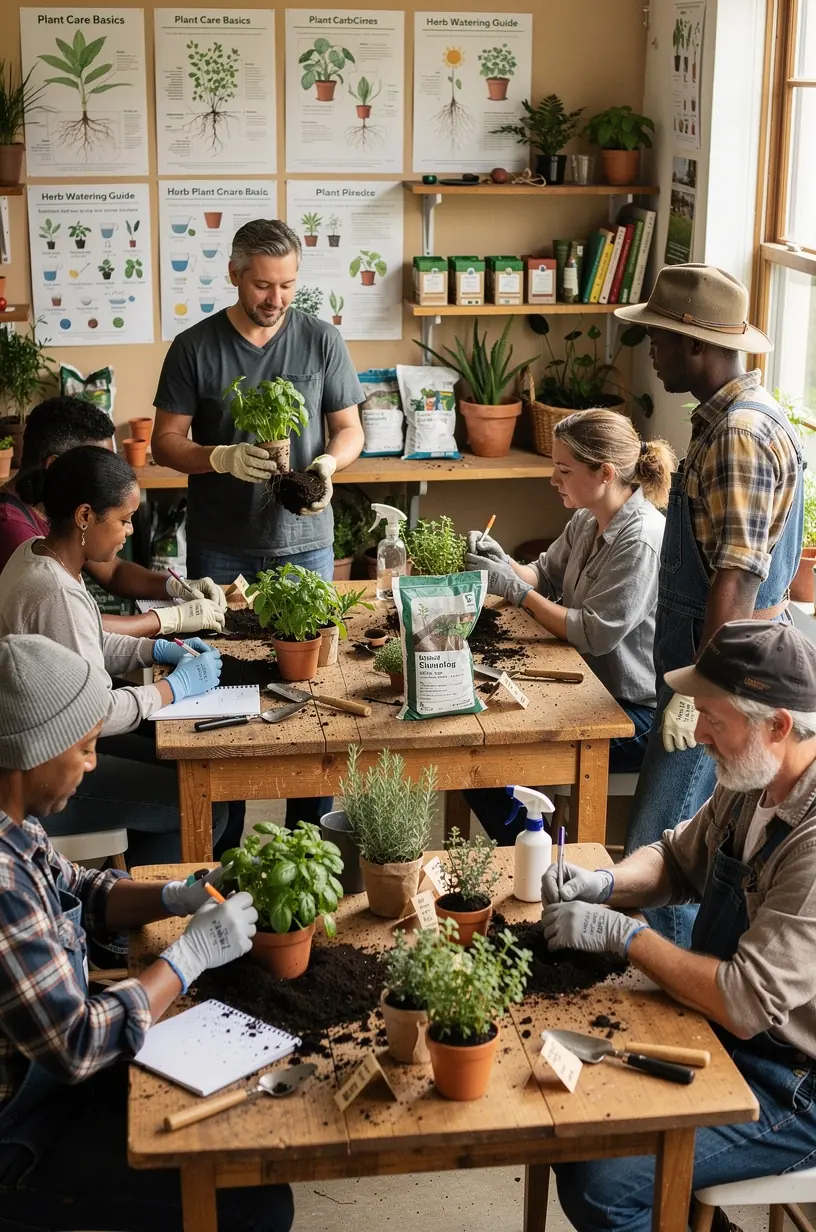
- Community Engagement: Gardening clubs that focus on organic gardening often host seasonal workshops and plant exchange events. These activities not only enhance skills and knowledge but also foster a sense of community and shared purpose among participants.
How to Start Organic Gardening
Beginning your organic gardening journey may seem daunting, but with a few simple steps, you can create a sustainable garden that contributes positively to the environment:
- Choose the Right Location: Select a space that receives adequate sunlight and has good drainage. This typically requires some trial and error to find the optimal spot.
- Build Healthy Soil: Start by enriching your soil using compost and organic matter. This process usually takes several weeks to establish but is essential for healthy plant growth.
- Plan Your Garden: Research which plants grow well together and have similar needs. Companion planting not only maximizes space but can also deter pests naturally.
Challenges of Organic Gardening
While organic gardening has numerous benefits, it's important to acknowledge some challenges:
- Time Commitment: Organic gardening often requires more time and effort compared to conventional methods. Tasks like manual weeding and pest management can be labor-intensive.
- Potential for Lower Yields: In many cases, organic methods may result in lower yields compared to conventional farming practices, especially during initial phases as the garden matures.
- Pest Management: Organic pest control can be less straightforward than using chemical pesticides. It often involves ongoing monitoring and may necessitate the use of natural deterrents.
Conclusion
In summary, organic gardening offers a multitude of benefits, from improving environmental health to enhancing community ties through shared gardening experiences. While it requires a commitment of time and effort, the rewards of growing your own organic produce and contributing to a sustainable environment are often well worth it. Engaging in local gardening clubs can further enrich this experience, providing valuable resources and support as you embark on your organic gardening journey.
Discover More