Understanding the Role of Gardening Clubs in Communities
Gardening clubs offer more than just a space to grow plants; they serve as vital hubs of community engagement, education, and environmental stewardship.
The Importance of Gardening Clubs
Gardening clubs typically play a significant role in their communities. According to studies, these organizations can enhance social cohesion and promote mental well-being. Many users report feeling a sense of belonging and shared purpose when participating in club activities.
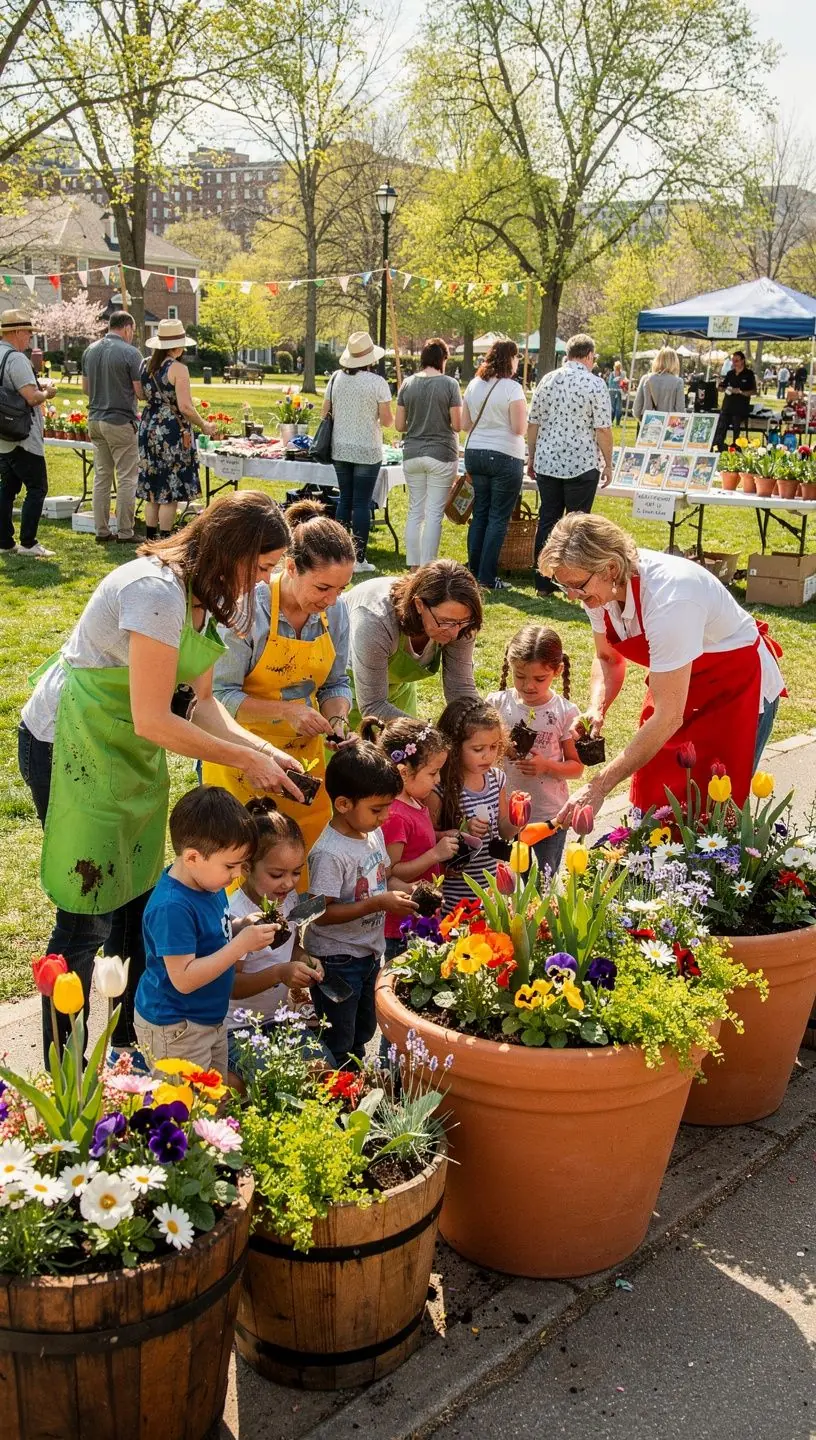
"Gardening together fosters friendships and helps individuals feel more connected to their community."
How Gardening Clubs Foster Community Engagement
Gardening clubs often host a variety of events that attract diverse groups of people. These events can include:
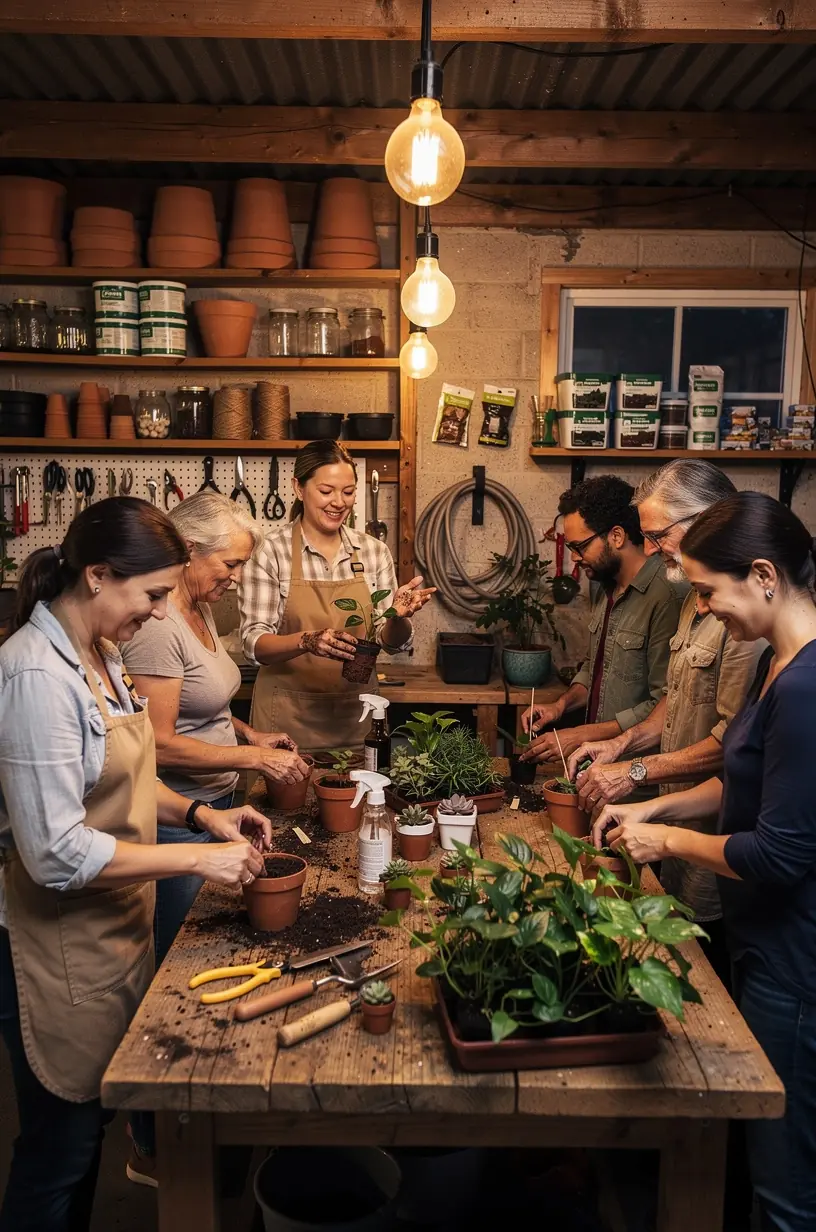
- Seasonal Workshops: Many clubs offer workshops where members can learn about planting techniques, pest control, and sustainable gardening practices. This hands-on approach not only educates but also encourages collaboration.
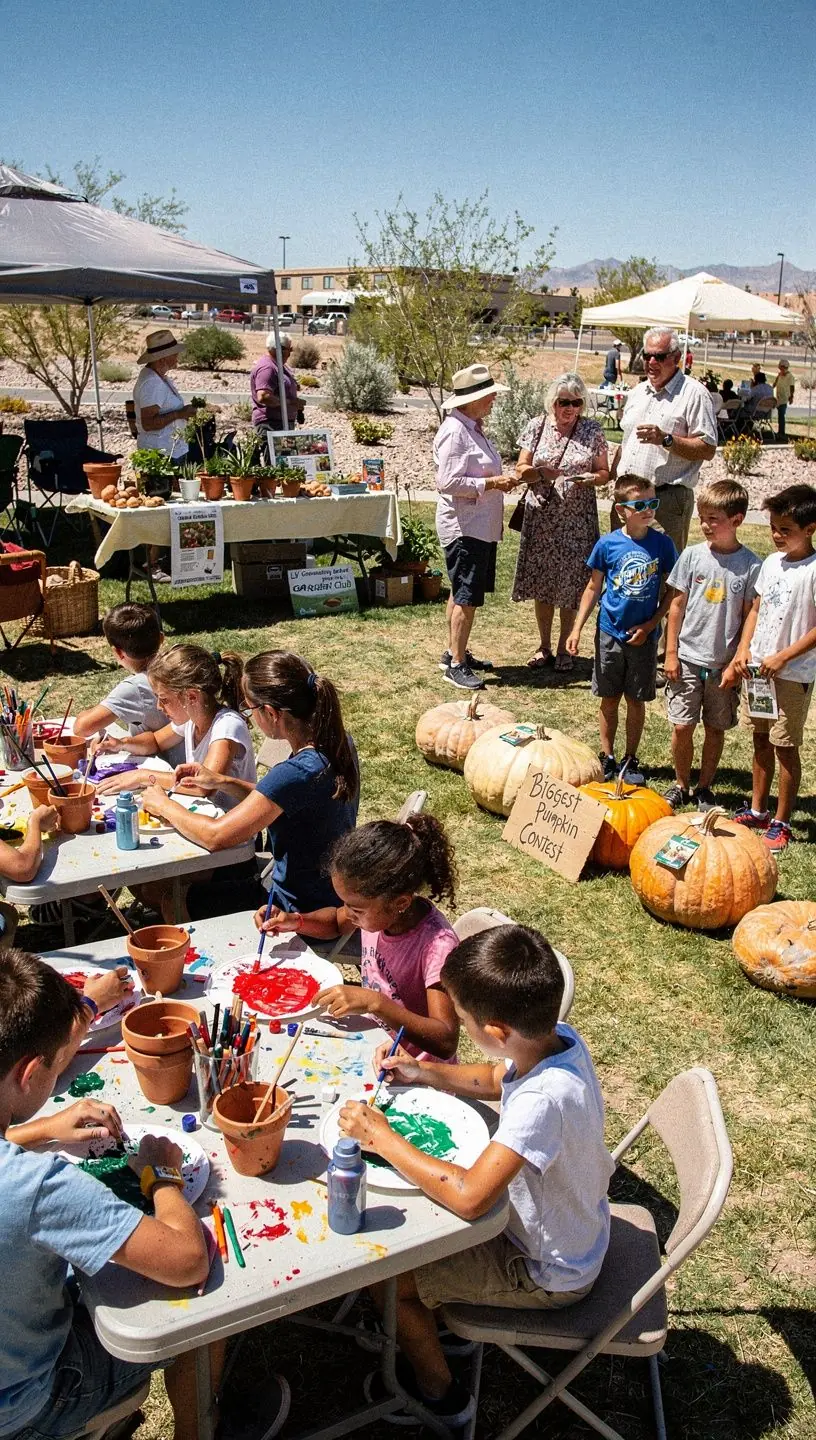
- Plant Exchange Events: These events allow members to share surplus plants and seeds, fostering a sense of generosity and community resourcefulness.
- Community Projects: Many gardening clubs engage in local beautification projects. Involvement in such initiatives can lead to improved community aesthetics and increased environmental awareness.
The Educational Value of Gardening Clubs
According to experts in horticulture, participating in gardening clubs provides an effective platform for learning. The collaborative environment often enhances the learning experience. Members typically share knowledge about:
- The best practices for gardening in their local climate, which may vary significantly.
- Ecological principles that help in maintaining biodiversity and supporting local ecosystems.
- Techniques for organic gardening, benefitting both personal health and the environment.
Challenges and Realistic Expectations
While gardening clubs offer numerous benefits, it is important to acknowledge some challenges. For instance:
- Time Commitment: Engaging in club activities typically requires a commitment of several hours per month, which may vary based on individual involvement.
- Learning Curve: Many newcomers may initially find gardening techniques complex; however, experts suggest that consistent participation often leads to improved understanding and skills over time.
- Seasonal Limitations: Gardening activities are often limited by seasonal weather conditions, necessitating planning and adaptability.
Conclusion
In summary, gardening clubs serve as essential resources that can enrich community life. While they require a commitment of time and effort, the potential rewards—ranging from enhanced social connections to increased gardening knowledge—are significant. Participating in these clubs can lead to a more engaged and environmentally conscious community, making them a worthwhile endeavor for many.