A Practical Guide to Organizing a Community Garden
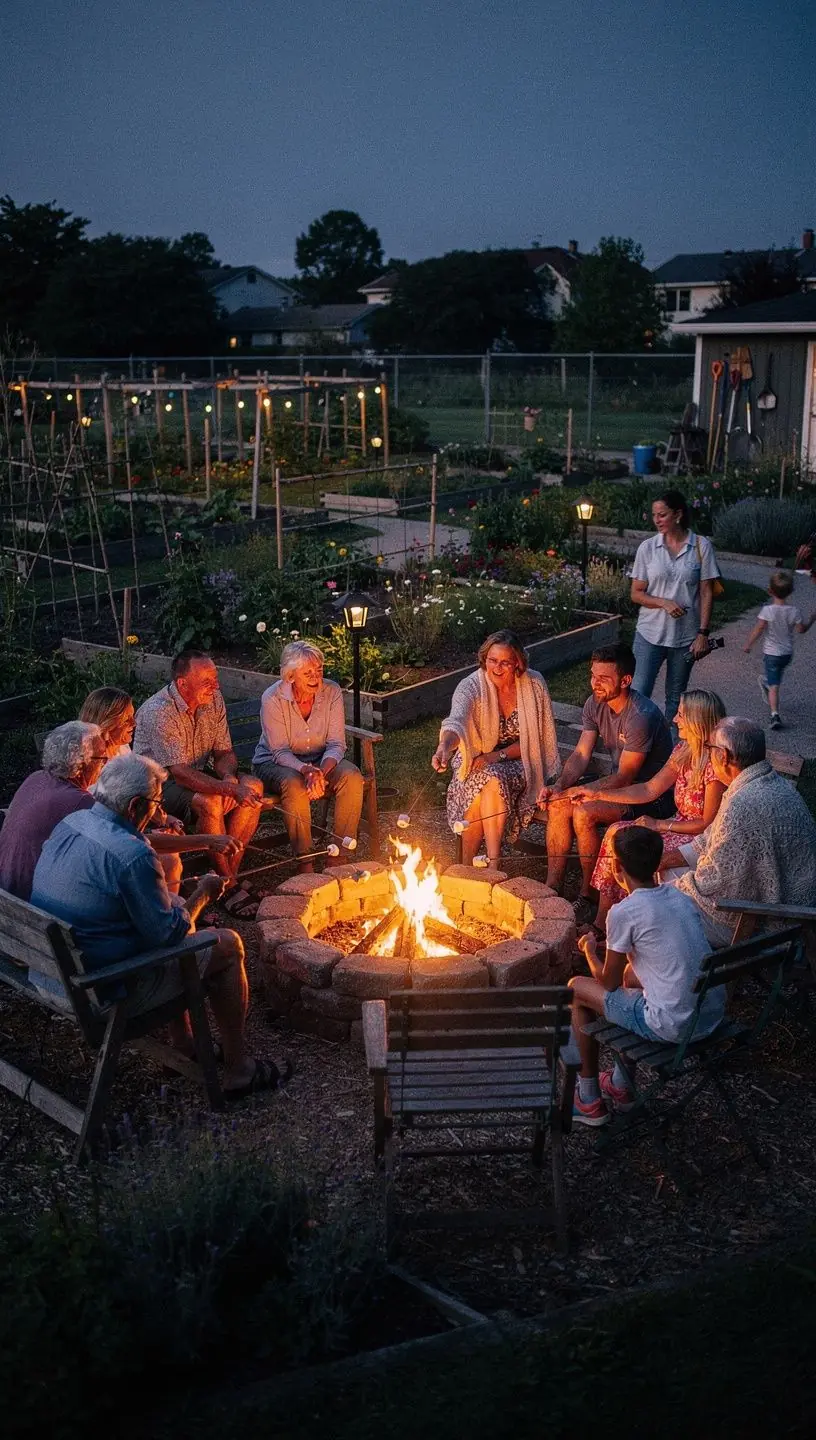
Community gardens are a wonderful way to foster community spirit while promoting sustainable practices. This guide will walk you through the essential steps to successfully organize a community garden, enhancing both your local environment and relationships among neighbors.
Understanding the Basics of Community Gardening
Community gardening involves a group of individuals coming together to cultivate a shared space, often yielding fresh produce while encouraging social interaction. According to research by the American Community Garden Association, such initiatives can significantly enhance community cohesion and even improve mental health among participants.
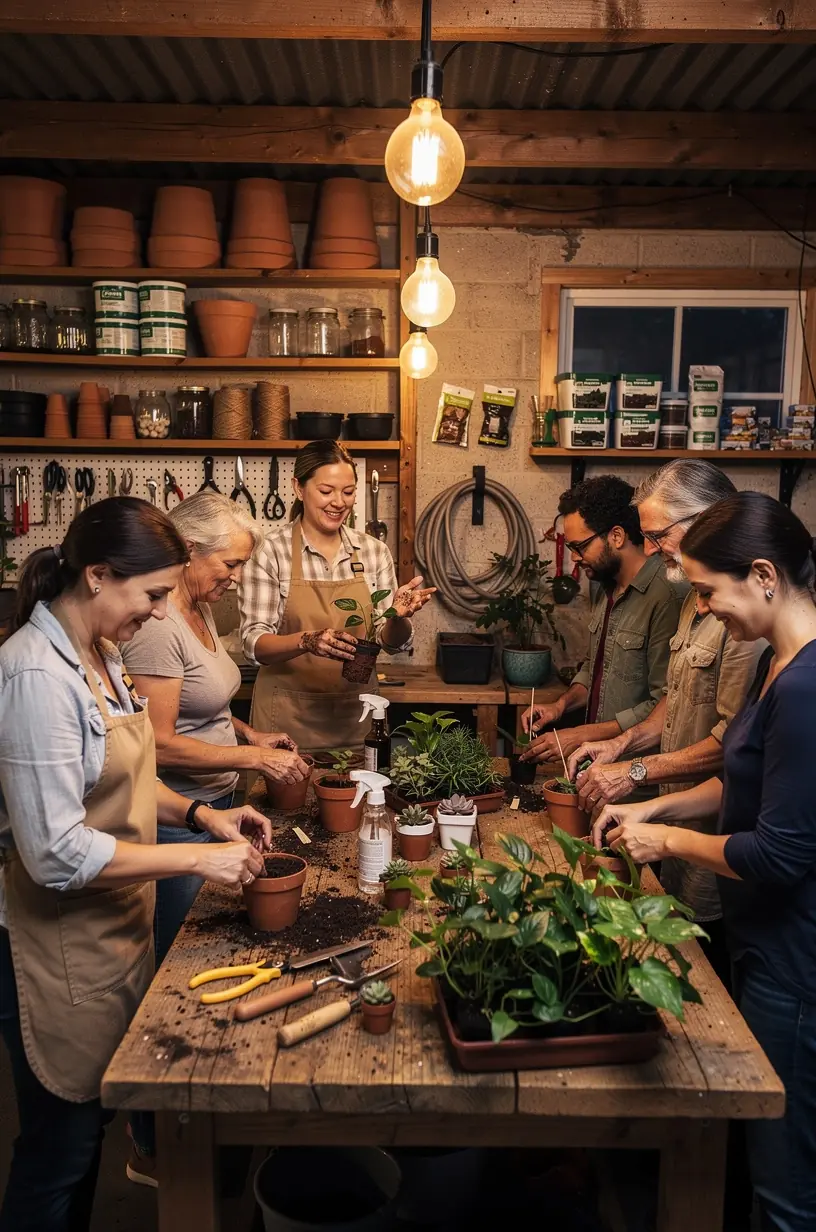
"Community gardens not only provide fresh produce but also serve as vital social hubs that foster relationships and a sense of belonging." - Community Gardening Expert
Steps to Organize Your Community Garden
Creating a successful community garden typically involves several key steps. Here’s a structured approach to help you get started:
- Gather Community Interest: Begin by hosting a meeting to gauge interest. Engaging community members early on is crucial, as their involvement will drive the project's success.
- Identify a Suitable Location: Look for vacant lots, parks, or other public land that is accessible and has adequate sunlight. According to industry standards, a minimum of six hours of direct sunlight is ideal for most crops.
- Develop a Garden Plan: Work with your initial group to create a garden layout. Consider factors like individual plots, communal spaces, and pathways. Experts recommend incorporating diverse plant types to enhance biodiversity.
- Secure Necessary Permissions: Before breaking ground, you may need to obtain permission from local authorities. This process can take time, so starting early is advisable.
- Organize Resources: Gather tools, soil, seeds, and other supplies. Many successful community gardens benefit from donations or partnerships with local businesses, which can help to minimize costs.
- Plan for Maintenance: Establish a schedule for watering, weeding, and harvesting. Regular maintenance typically requires a dedicated group of volunteers, so ensure responsibilities are clearly defined.
Seasonal Workshops and Plant Exchange Events
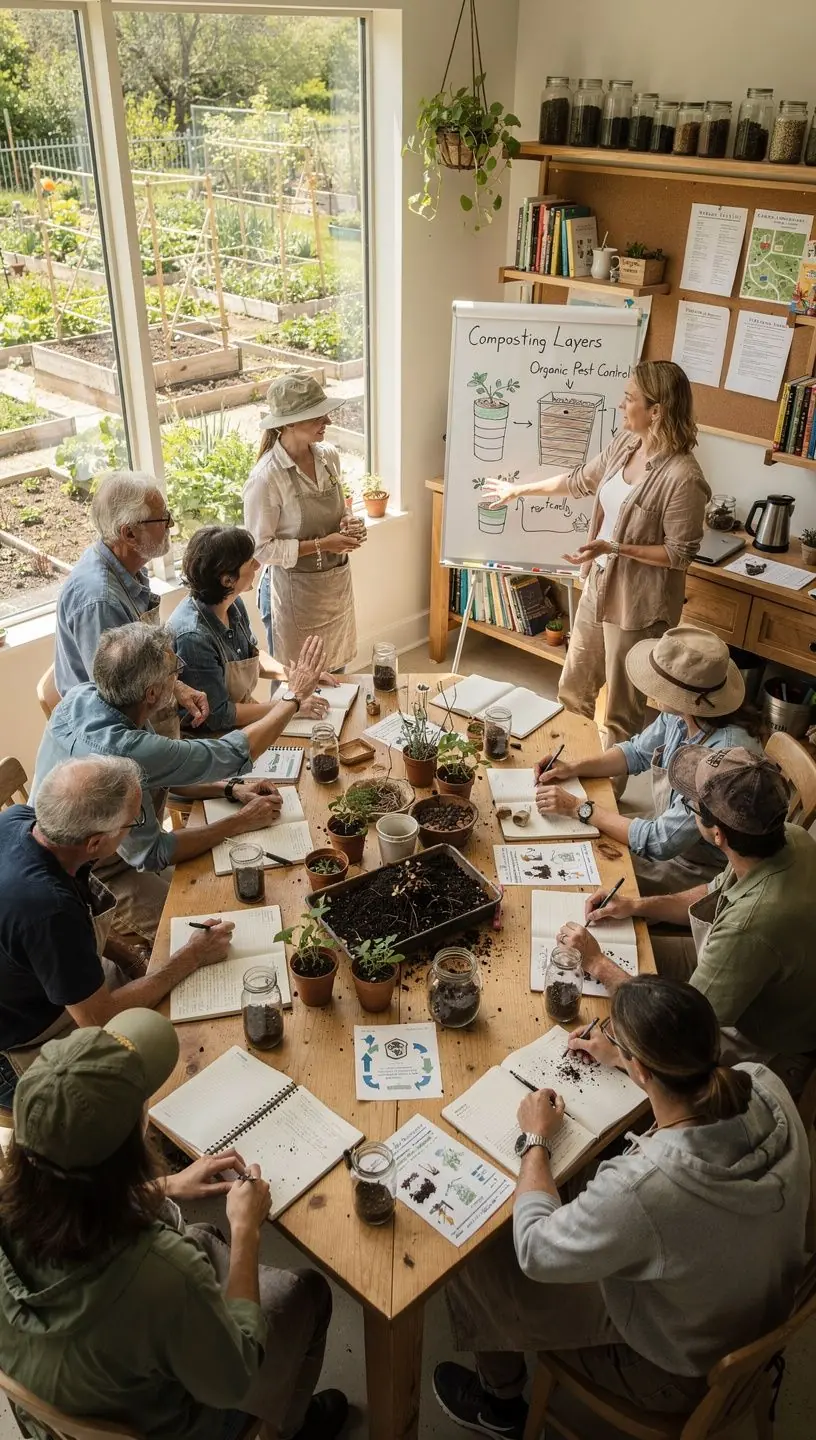
In addition to physical gardening, consider organizing seasonal workshops and plant exchange events. These activities can provide educational opportunities while fostering community ties. Many users report that workshops on topics such as composting, organic pest control, and seasonal planting can enhance participants' gardening knowledge significantly.
"Workshops not only teach practical gardening skills but also create a shared learning experience that strengthens community bonds." - Local Gardening Educator
Challenges and Considerations
While community gardens can be rewarding, they are not without challenges. Organizing a garden often involves time commitments and requires a willingness to collaborate with diverse individuals. It’s typical for initial enthusiasm to wane, so implementing strategies to keep community members engaged is vital. Regular meetings and events can help maintain interest.
Additionally, be prepared for potential conflicts over plot management and responsibilities. Establishing clear guidelines and expectations from the outset can help mitigate these issues. Research suggests that communities with established conflict resolution strategies typically have more successful and harmonious gardens.
Conclusion
Organizing a community garden is a rewarding project that can enrich your community and promote sustainable practices. By following these steps, you can create a space that not only yields fresh produce but also strengthens social ties among participants. Remember, successful community gardening typically requires time, effort, and collaboration, but the benefits to both the environment and community spirit can be substantial.
Discover More