Understanding Native Plants for Local Gardening
Gardening with native plants can significantly enhance local ecosystems, reduce maintenance, and promote biodiversity. This article explores the benefits, practical applications, and considerations for integrating native plants into your gardening practices.
The Importance of Native Plants
Native plants are species that have evolved in a specific region and are well-adapted to the local climate and soil. According to research by the Native Plant Society, using native plants in gardening can lead to healthier ecosystems. These plants provide essential habitat for wildlife, including pollinators like bees and butterflies.
"Gardening with native plants not only supports local wildlife but also requires less water and maintenance compared to non-native species."
Benefits of Using Native Plants
- Water Efficiency: Native plants are typically drought-resistant, which can reduce water usage by 50% or more, according to studies.
- Soil Health: These plants help to improve soil health and prevent erosion, fostering a balanced ecosystem.
- Lower Maintenance: Many gardeners report that native plants require less upkeep as they are adapted to local conditions.
Choosing the Right Native Plants
When selecting native plants for your garden, consider the following factors:
- Local Climate: Research the specific climate and soil conditions in your area, as this can influence plant survival.
- Plant Functions: Understand the role of different plants, such as which attract pollinators or provide shade.
- Growth Patterns: Be aware of the growth habits of plants to ensure they fit well in your gardening space.
Experts recommend visiting local nurseries or botanical gardens to find native species suited for your region. This hands-on approach allows you to ask questions about care and compatibility with your existing plants.
Practical Tips for Implementing Native Plants
Here are some actionable insights for incorporating native plants into your gardening:
- Start Small: If you’re new to native gardening, begin with a few plants and gradually expand. This typically takes about 2-4 weeks for initial setup, depending on your gardening experience.
- Learn About Plant Care: Familiarize yourself with the specific needs of your chosen plants, such as sunlight, water, and soil requirements. This can significantly impact their growth and survival.
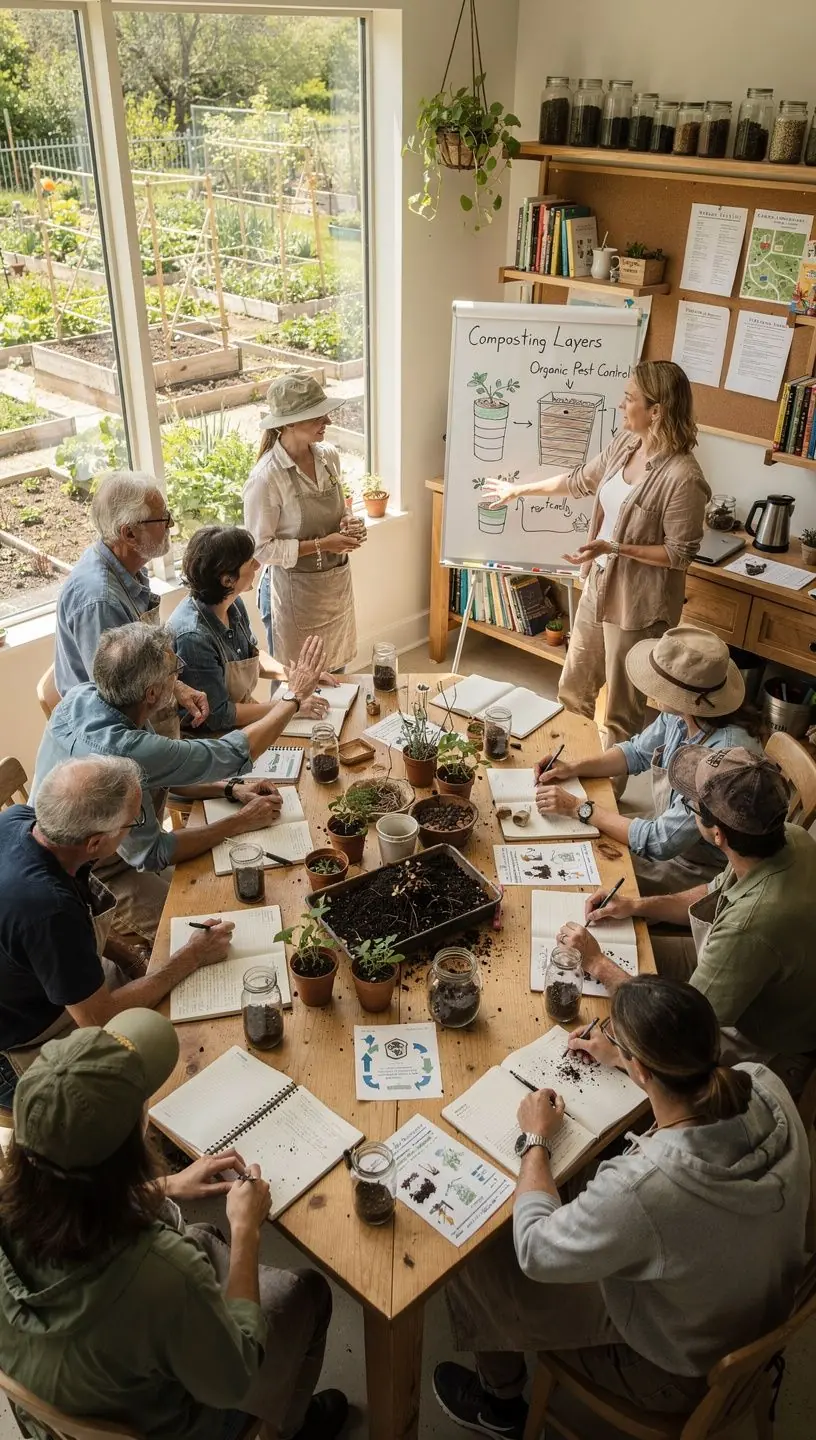
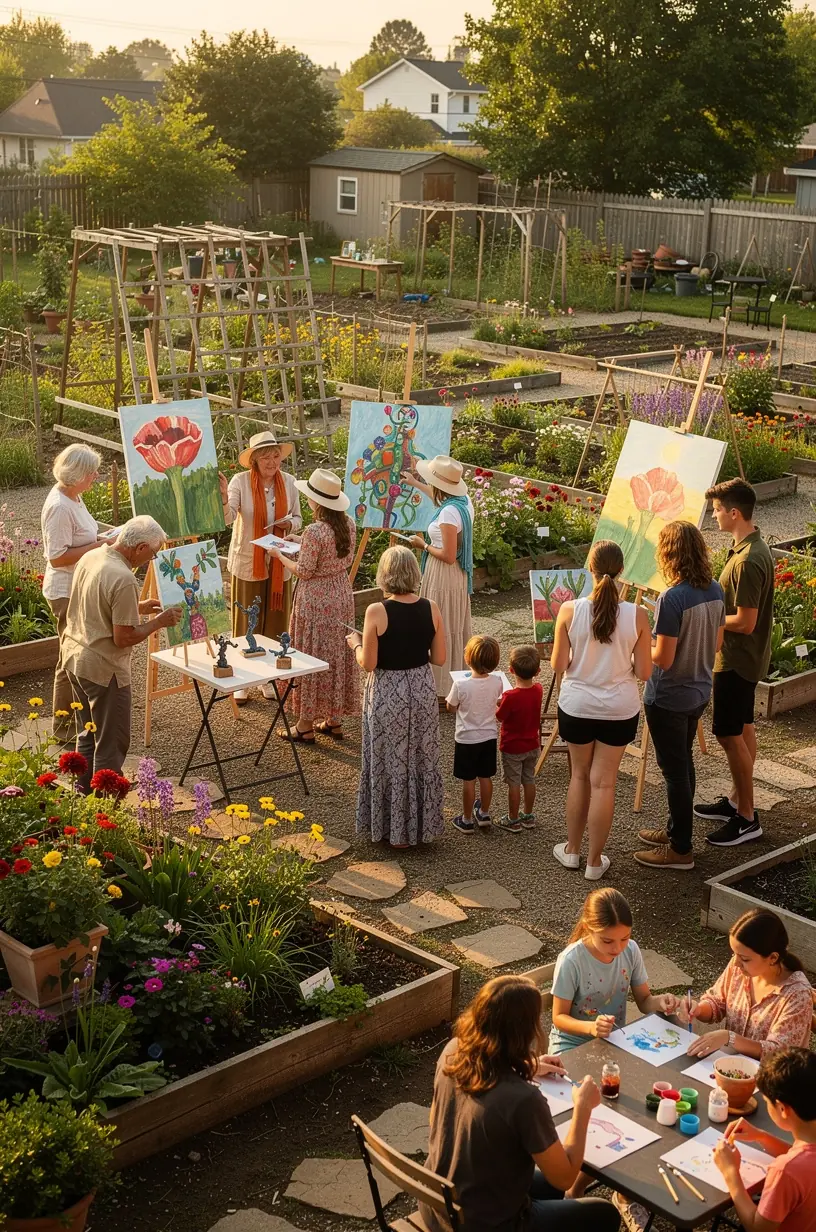
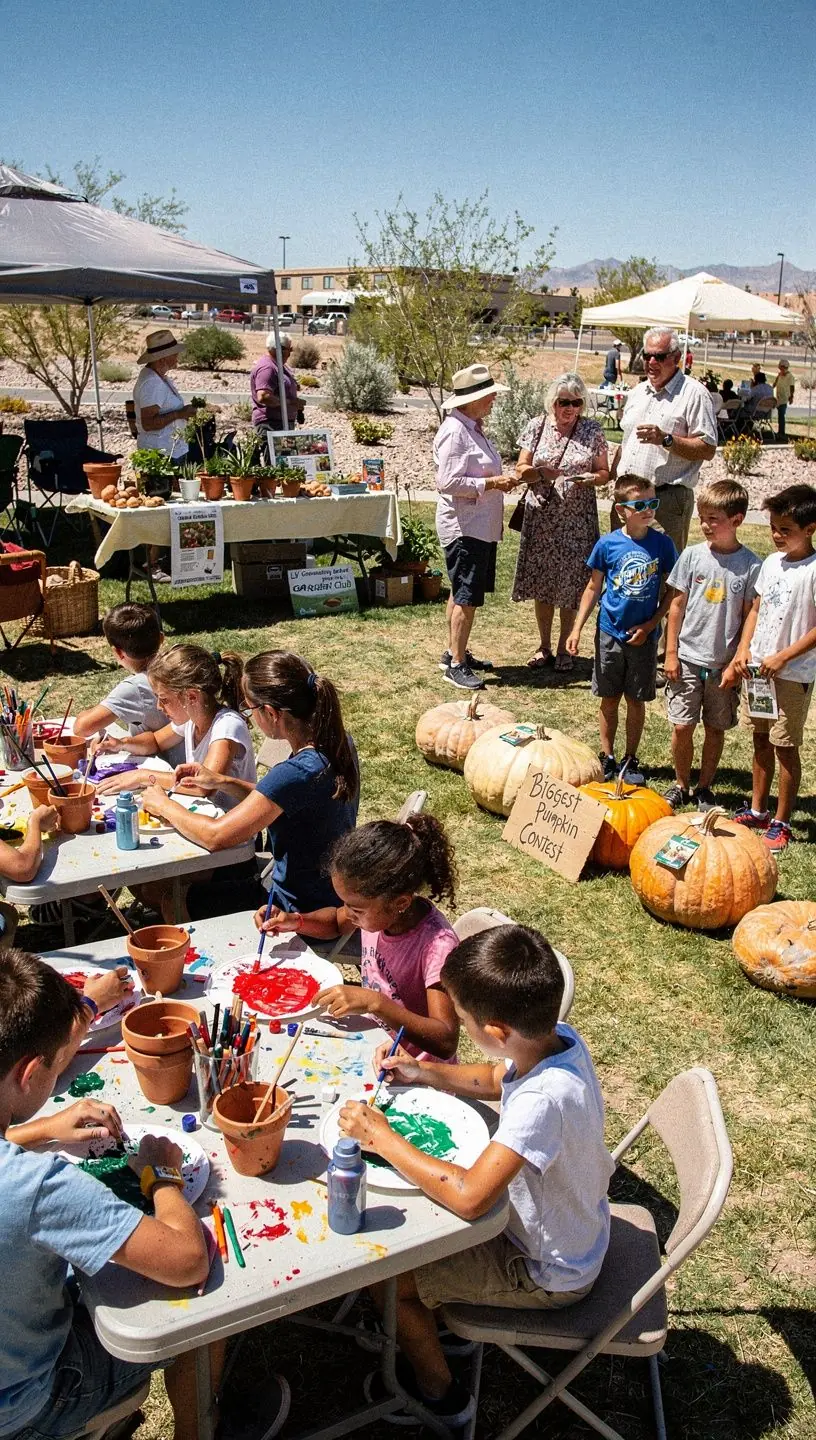
- Join Local Gardening Clubs: Engaging with local gardening clubs can provide support and resources. Many clubs offer workshops and plant exchange events, allowing you to share experiences and plants with other gardening enthusiasts.
Challenges and Considerations
While gardening with native plants offers many advantages, it’s important to acknowledge some challenges:
- Initial Learning Curve: Adapting to native gardening may involve a learning process regarding plant selection and care.
- Time Commitment: Establishing a native garden can take time. You may not see immediate results as plants acclimate to their new environment.
- Species Knowledge: Identifying and maintaining native plants requires some research and practice, particularly in understanding local ecosystems.
Conclusion
Incorporating native plants into your gardening can lead to a more sustainable and eco-friendly landscape. By understanding how these plants contribute to local ecosystems, and by following practical steps for selection and care, you can create a thriving garden that benefits both you and the environment. Remember, while the journey may require some dedication and time, the rewards of supporting local wildlife and reducing maintenance are well worth the effort.
Discover More