The Value of Hands-On Learning in Gardening Clubs
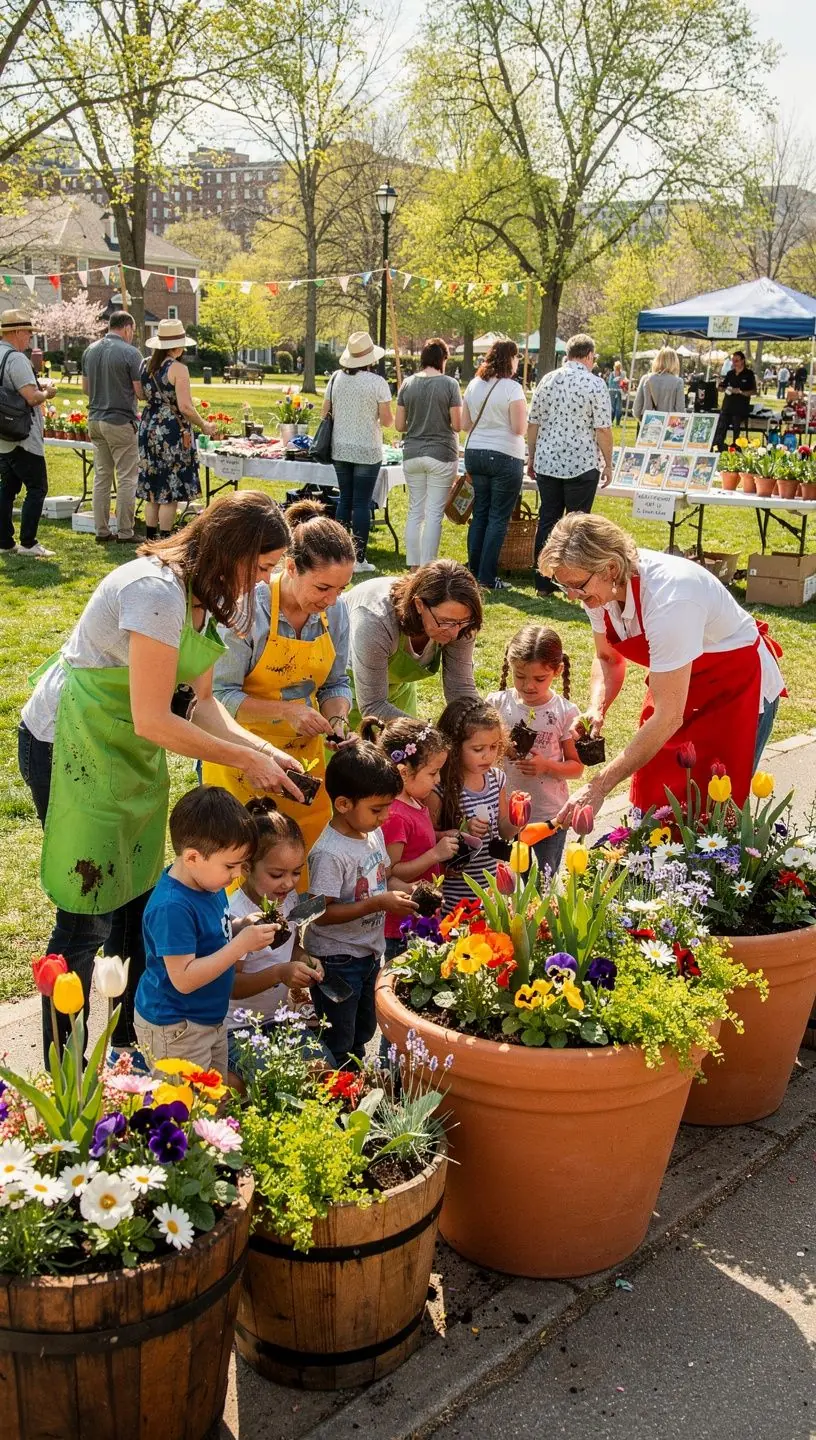
Gardening clubs offer a unique space for enthusiasts to come together and cultivate not only plants but also skills and friendships. This article explores the significant benefits of hands-on learning in these community-driven environments, particularly through seasonal workshops and plant exchange events.
Understanding the Basics of Hands-On Learning
According to research, hands-on learning is a highly effective approach in educational settings. Studies show that experiential learning can increase retention of information by up to 75% compared to traditional classroom methods. This is especially true in gardening, where practical experience allows participants to grasp complex concepts, such as soil composition or plant care, in a real-world context.
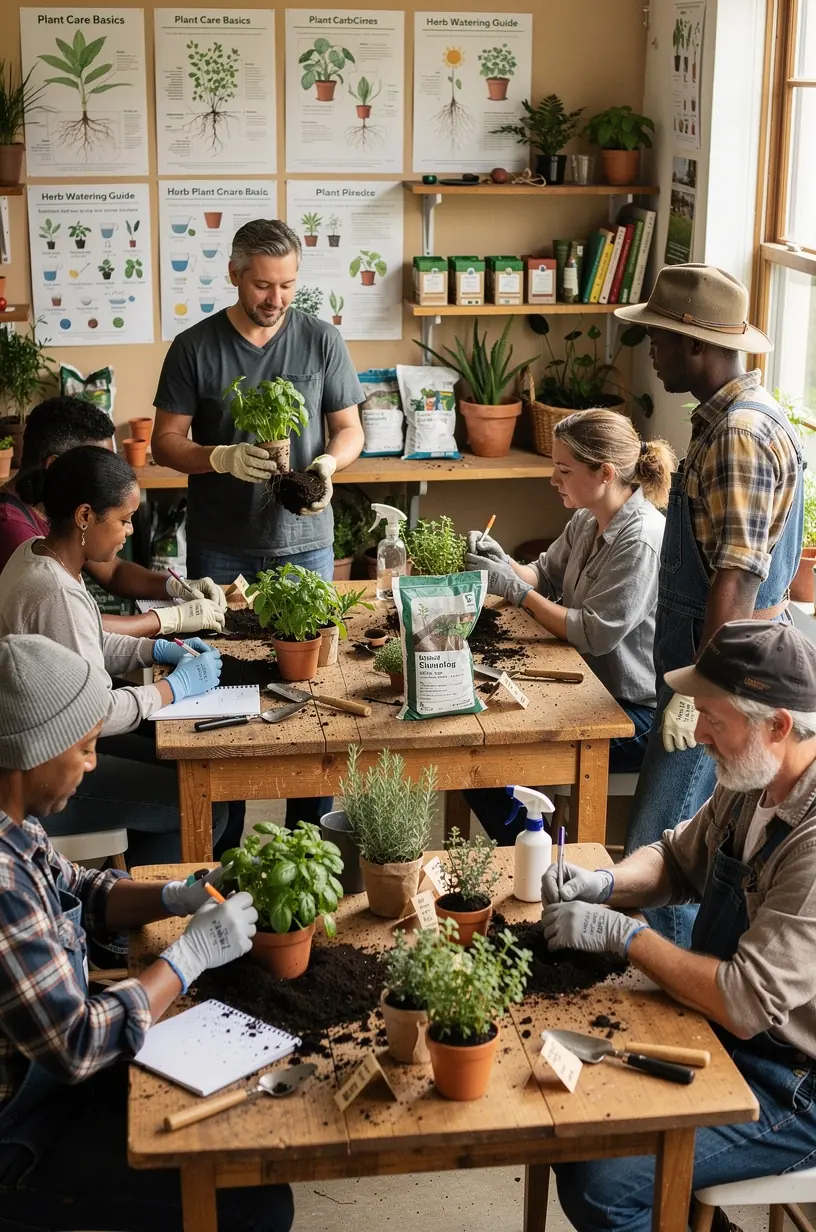
"Experiential learning engages the learner actively, enhancing their understanding and appreciation of the subject matter." – Educational Experts
The Benefits of Gardening Clubs
Gardening clubs provide a dedicated space for members to apply their knowledge in practical settings. Here are some of the key benefits:
- Community Engagement: Many users report that participating in gardening clubs fosters a sense of belonging. This social interaction can be especially valuable during seasonal workshops where members share experiences and insights.
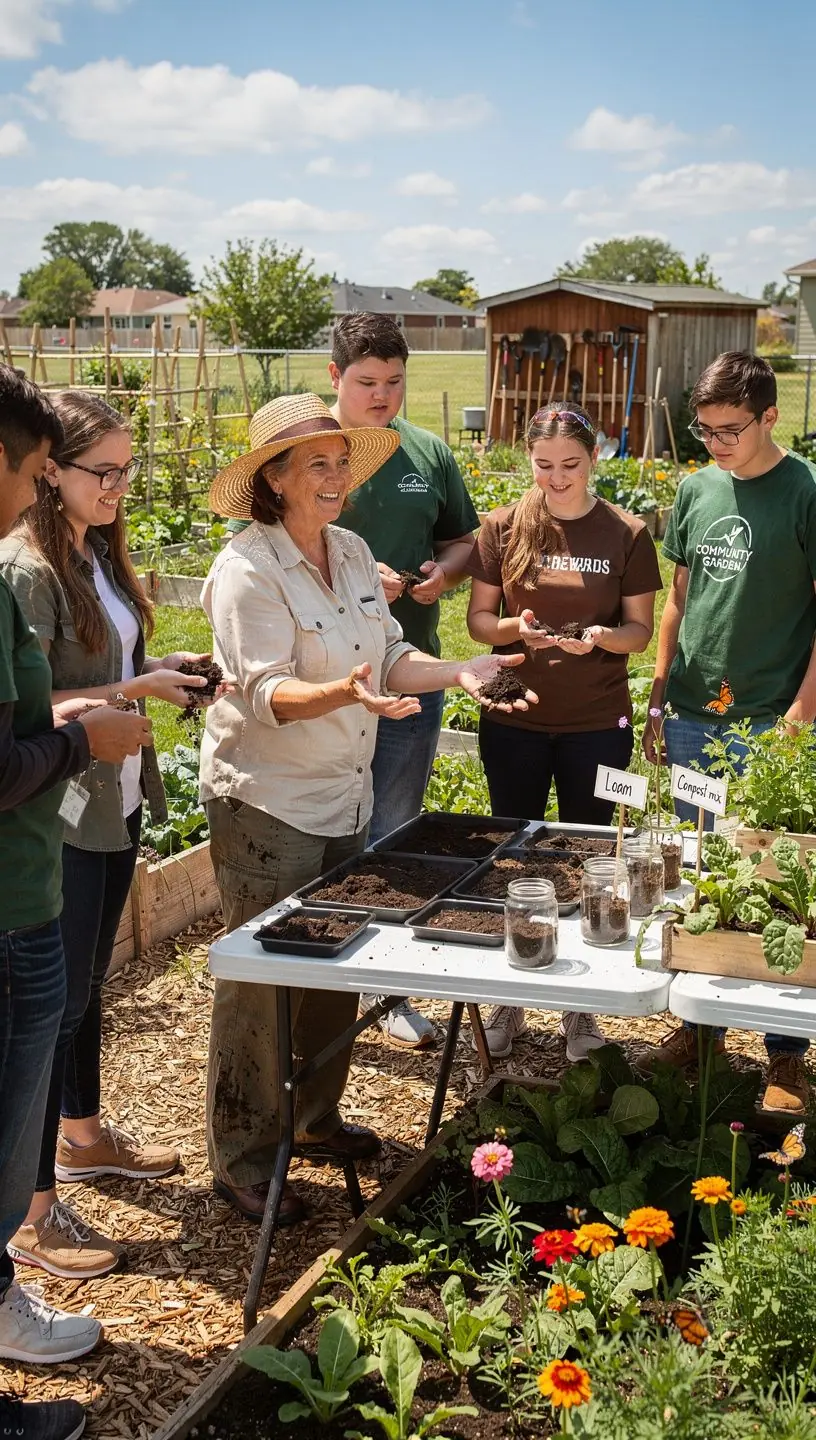
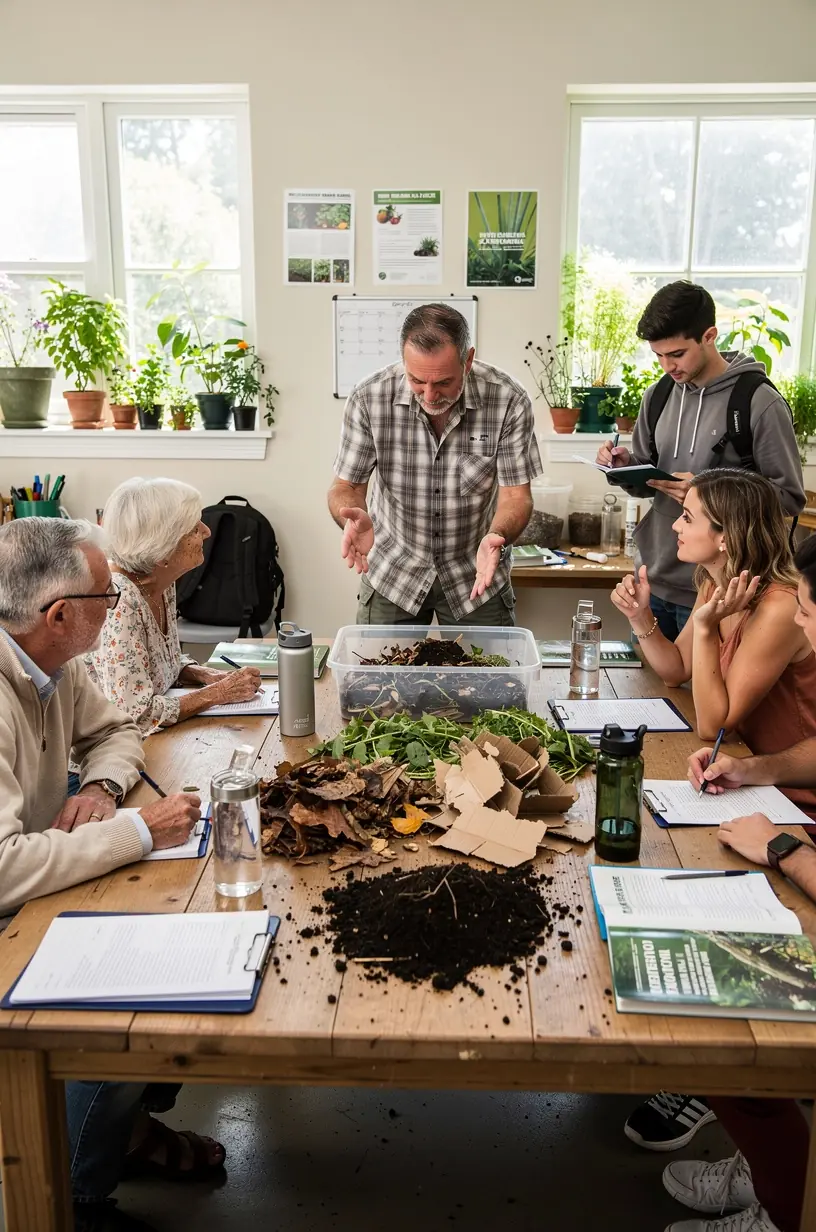
- Skill Development: Clubs often host workshops that typically take place in spring and fall. These sessions cover various topics like sustainable gardening practices, pest management, and plant propagation, allowing members to gain hands-on experience under expert guidance.
- Resource Sharing: Plant exchange events not only provide members with new varieties to cultivate but also promote knowledge sharing. This practice is standard in gardening communities and can help beginners learn from seasoned gardeners.
How Hands-On Learning Works in Gardening Clubs
The principle behind hands-on learning in gardening clubs is simple: by engaging participants in the actual process of gardening, they are more likely to understand the nuances of plant care. Here’s how it typically unfolds:
- Workshops: Members gather to learn specific skills, such as pruning techniques or soil testing, followed by practical application in community plots.
- Mentorship: Experienced members often mentor newcomers, providing guidance through demonstration and shared experiences, which enhances the learning process.
- Feedback Loop: Participants receive immediate feedback on their gardening efforts, allowing them to correct mistakes and refine their techniques in real-time, which is crucial for skill development.
Acknowledging Limitations
While hands-on learning in gardening clubs can be immensely beneficial, it does require a commitment of time and effort. For instance, mastering certain gardening techniques may involve several weeks of practice. Additionally, participants should be prepared for a learning curve, particularly when dealing with more complex gardening methods. This approach is often more suitable for individuals who have a genuine interest in gardening and are willing to put in the necessary work.
Conclusion
In summary, gardening clubs offer an effective platform for hands-on learning, enabling members to engage with nature while developing valuable skills and building community connections. By participating in seasonal workshops and plant exchanges, individuals can enhance their gardening knowledge and practices. As many experts recommend, engaging in experiential learning can lead to a deeper understanding and appreciation of the art of gardening, ultimately fostering a more sustainable approach to this rewarding hobby.
Discover More