How to Utilize Space Effectively in Community Gardens
Community gardens can serve as vibrant spaces for the local community, fostering not only a love for gardening but also social interactions. However, effectively utilizing the available space can be challenging. This article explores various strategies that can help maximize the potential of your community garden.
Understanding the Basics of Space Utilization
Effective space utilization in community gardens typically involves careful planning and consideration of several factors, including plant types, sunlight exposure, and water accessibility. Studies show that community gardens that employ structured layouts can improve yields by approximately 20-30% compared to unstructured gardens. This improvement is largely attributed to optimized resource allocation.
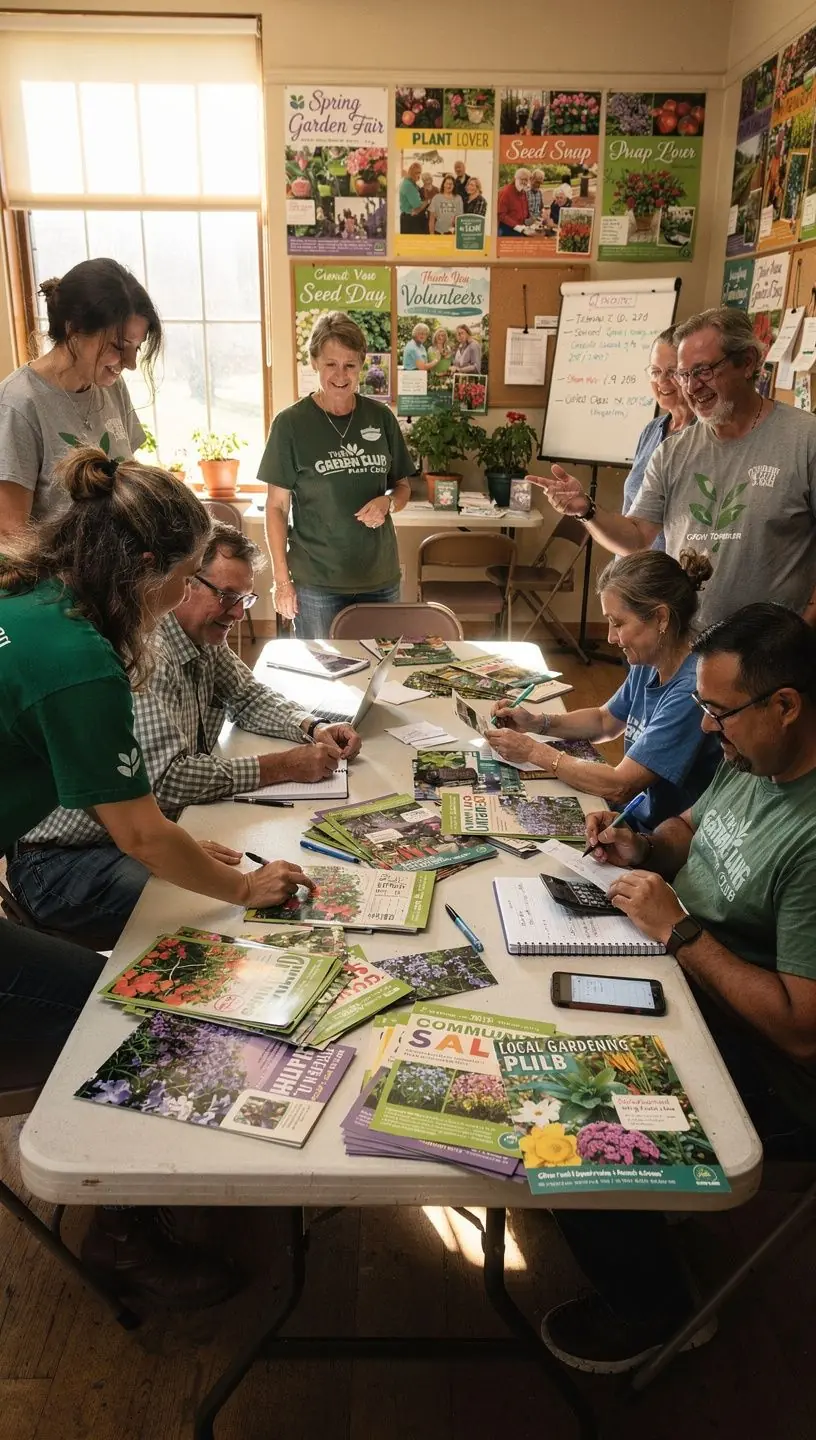
"Implementing a well-thought-out design can significantly enhance productivity and community engagement." - Gardening Experts
Key Strategies for Effective Space Utilization
- Vertical Gardening: Utilizing vertical space through trellises and wall planters can allow for the growth of climbing plants, thus conserving ground space. This method is often recommended for small plots where every inch counts.
- Companion Planting: This involves strategically placing plants together that can benefit each other. For instance, planting basil near tomatoes can enhance growth and flavor, which is a principle supported by many studies on plant interactions.
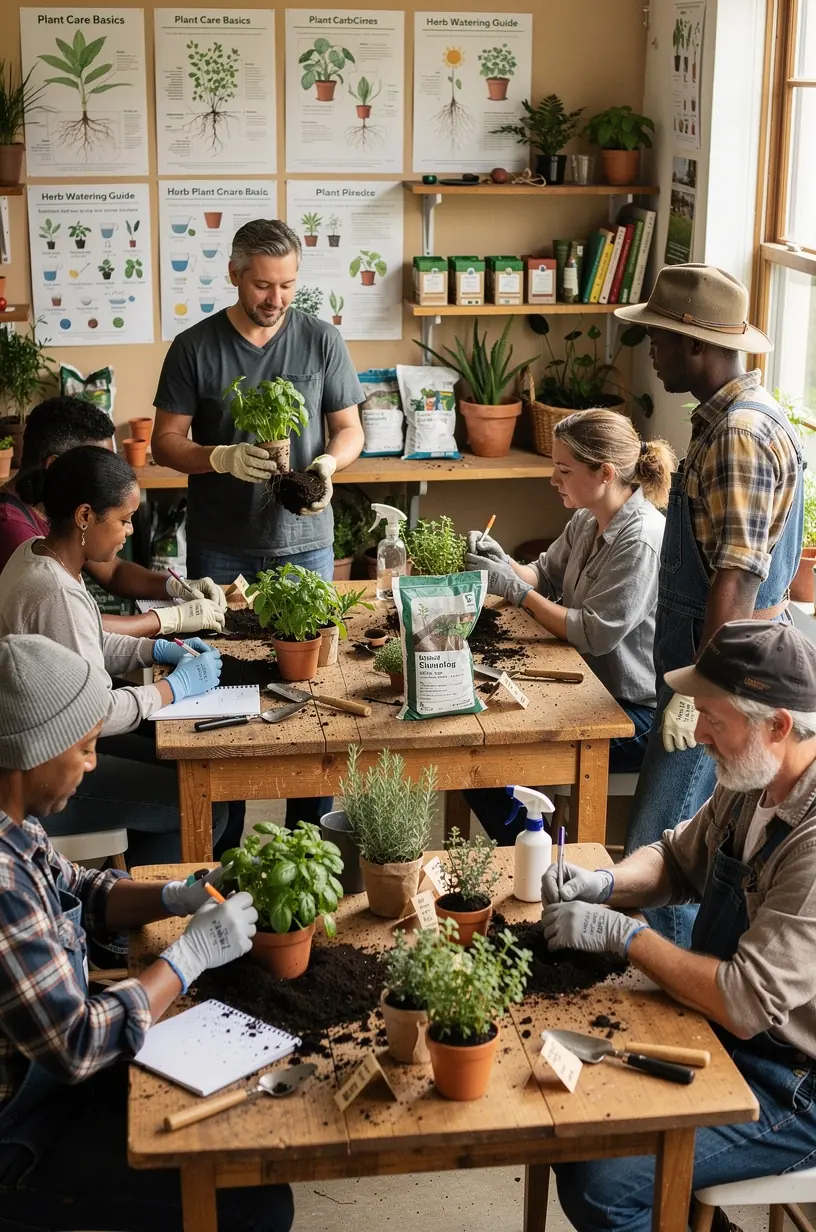
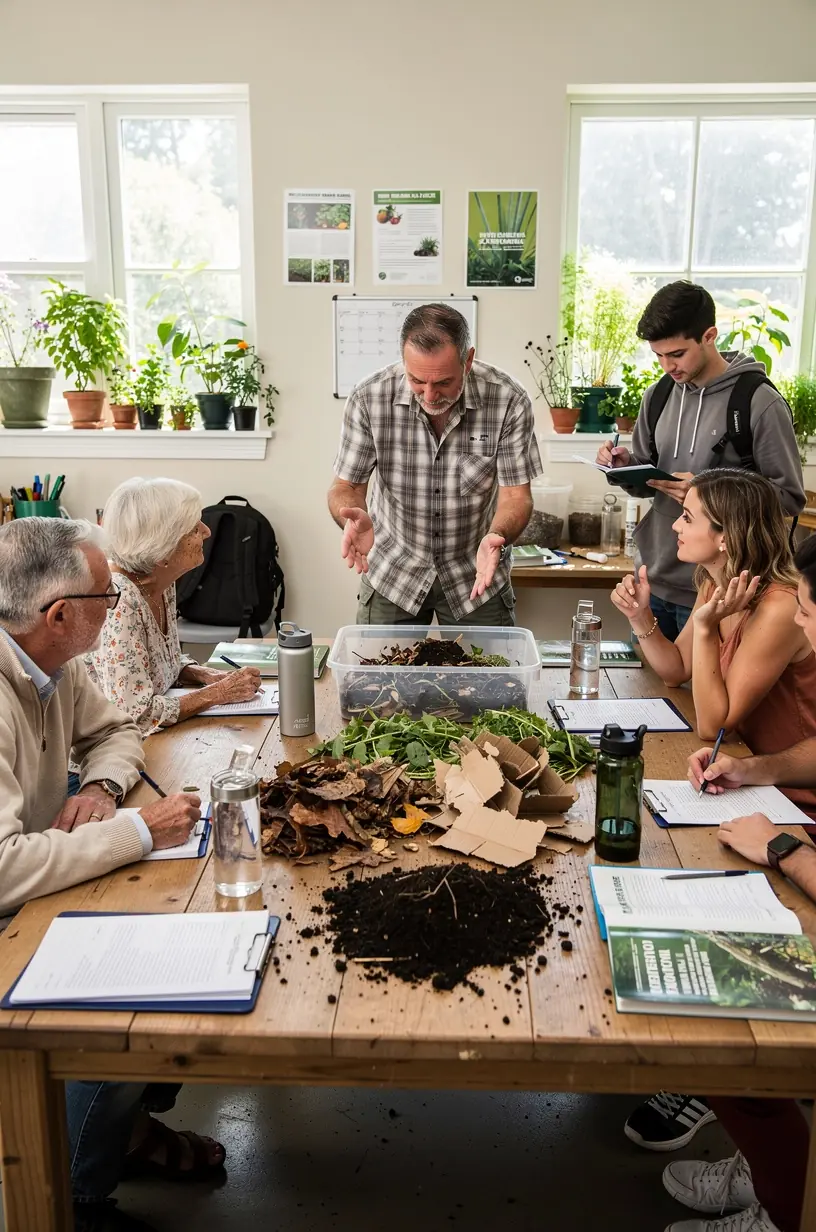
- Seasonal Workshops: Organizing seasonal workshops can educate community members about efficient gardening practices. Many users report that these workshops not only improve knowledge but also foster a sense of community, leading to better garden management.
Understanding the Limitations
While these strategies can be effective, they often require a commitment of time and effort. For example, implementing vertical gardens typically involves an initial setup period of 2-4 weeks, during which plants need to be acclimatized. It's essential to acknowledge that these methods may not be suitable for all spaces or climates, as specific conditions can affect plant growth.
Conclusion
Utilizing space effectively in community gardens is a multifaceted endeavor that can yield significant rewards. By adopting strategic techniques such as vertical gardening, companion planting, and leveraging community workshops, gardeners can create flourishing spaces that benefit both the environment and the community. Setting realistic expectations and recognizing the time commitment involved can guide your efforts toward a successful gardening experience.